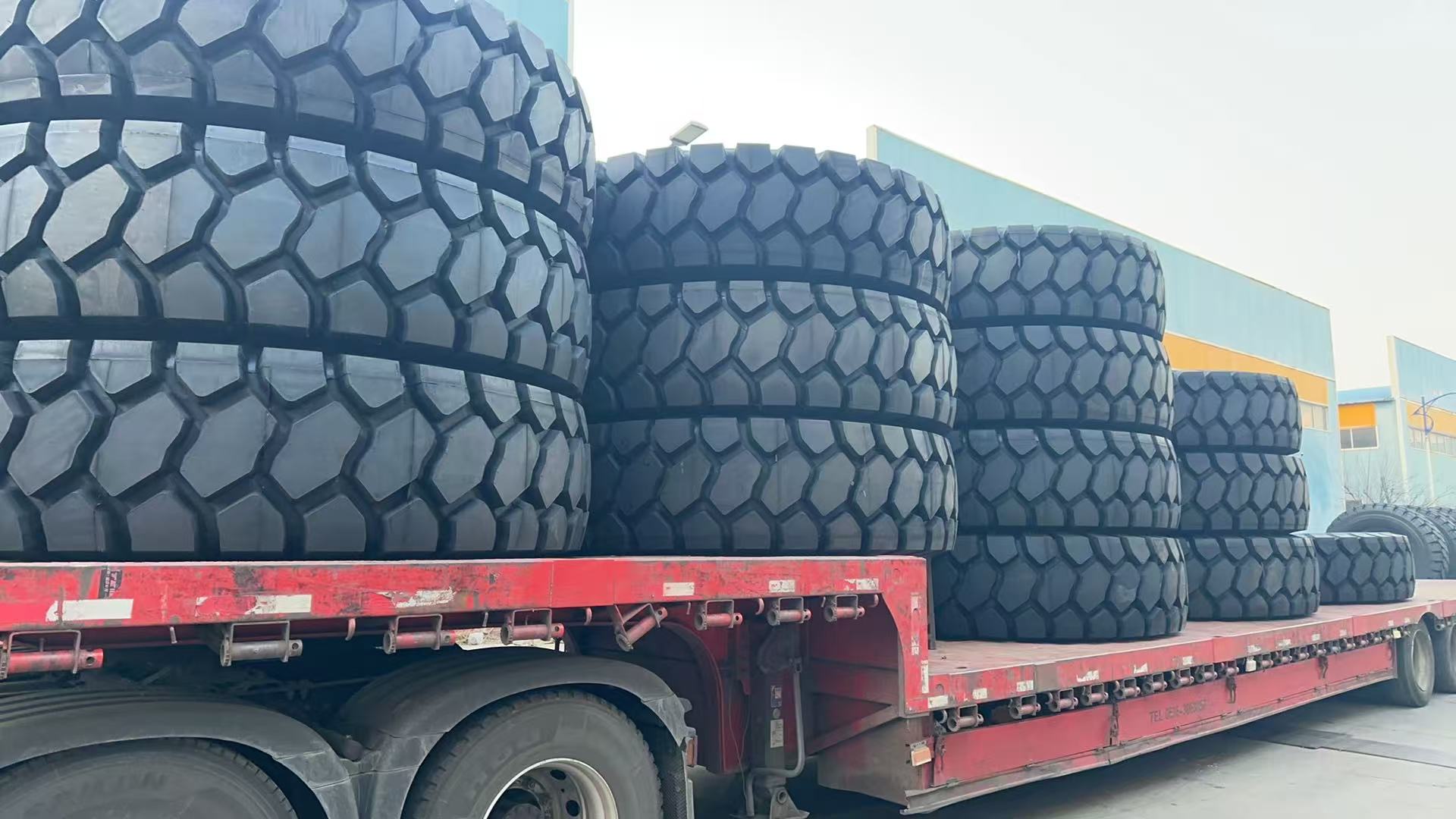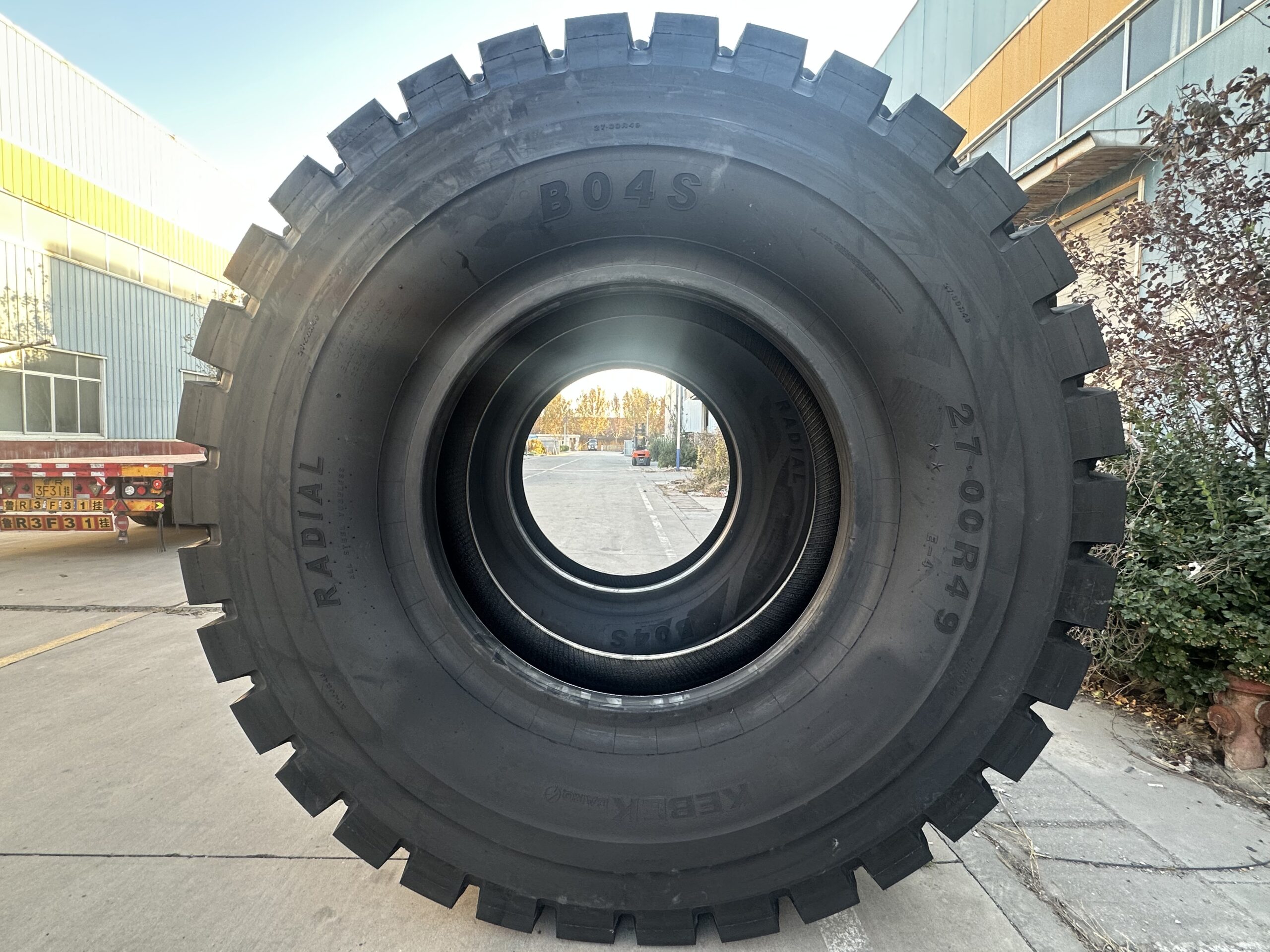
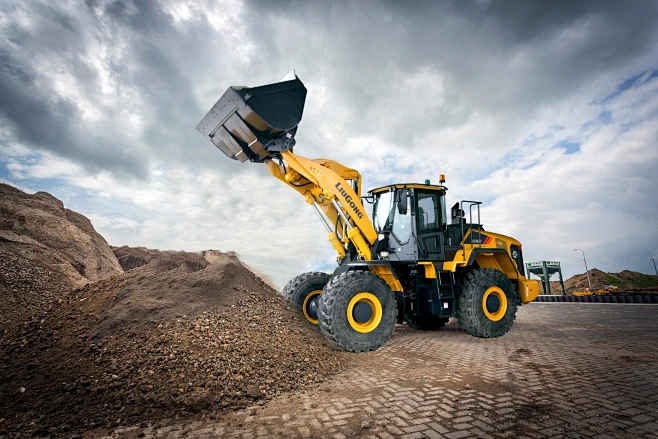
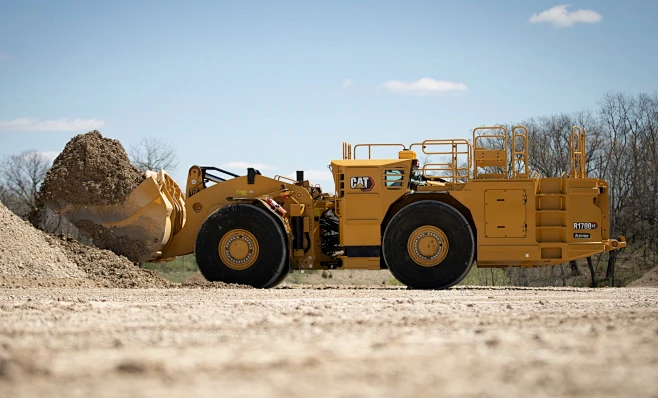
A wheel loader in a quarry or mine is a tire-killer. It digs into rock faces, carries heavy bucket loads, turns constantly on abrasive ground, and runs hour after hour in heat, mud, and jagged debris. When a loader tire fails before its expected service life, it’s rarely bad luck — it’s almost always a sign that something in the tire specification, maintenance, or operation is out of balance. And the cost goes far beyond the replacement price: a single flat can idle a machine for hours, disrupt the entire loading cycle, and put operators at risk.
This guide explains why loader tires fail prematurely and — more importantly — how to prevent it. We’ll cover the most common failure modes, the root causes behind each one, and the practical steps you can take to maximize tire life and minimize unplanned downtime.
[Link to: Loader Tire Product Page]
What Are the Most Common Causes of Loader Tire Failure?
Loader tire failures fall into six broad categories. Understanding which one applies to your operation is the first step toward prevention.
1. Sidewall Cuts and Punctures
Sidewall damage is the single most common failure mode for loader tires in rock service. As a loader digs into a face or piles material, sharp-edged rocks press directly against the tire’s most vulnerable area — the sidewall, which has less tread rubber to protect it than the crown.
Typical causes:
- Loading from rock stockpiles with sharp, freshly fractured stone
- Operating on haul roads littered with spillage and debris
- Contact with bench edges, berm walls, or stacked material
The result is a visible cut, chunk, or puncture that can either cause an immediate flat or slowly propagate into a catastrophic failure. Bias-ply tires generally resist sidewall cuts better than radials due to their thicker, multi-ply casing — but no tire is immune.
2. Heat Buildup and Thermal Failure
Every flexing tire generates heat. Under normal conditions, the tire sheds that heat faster than it accumulates. But when a loader tire is overloaded, under-inflated, run too fast, or worked in a cycle that exceeds its TKPH (Ton-Kilometer Per Hour) rating, heat builds up faster than it can dissipate.
Excessive heat degrades the rubber-belt bond in the casing. The result: tread separation, ply separation, or a blowout — often without any external warning sign. Thermal failure is particularly dangerous because the tire looks fine right up until the moment it fails.
3. Irregular and Excessive Tread Wear
Not all failures are sudden. Many loader tires are scrapped early because the tread wears unevenly — one side bald while the other still has rubber — making the tire unsafe long before its theoretical life is up.
Common wear patterns and their causes:
- Center wear: chronic over-inflation (too much pressure pushes the crown out).
- Shoulder wear: chronic under-inflation or overload (the tire squats, loading the edges).
- Heel-and-toe (cupping): misalignment, worn kingpins/bushings, or constant sharp turns on hard surfaces.
- One-sided wear: camber or toe misalignment, or consistent bias in loading direction.
- Spot wear / flat spots: lock-up braking or spinning the tires on a hard, abrasive surface.
4. Impact Damage and Bursting
Loaders routinely encounter large rocks, drop-offs, and hidden obstacles. A sharp impact — from a boulder dropping into the bucket, hitting a bench edge, or driving over a submerged rock — can crack the casing, bruise the sidewall, or cause a sudden burst. Impact damage is often invisible at first: the internal bruise grows over weeks until the casing fails.
5. Bead Damage and Improper Mounting
The bead area (where the tire seats on the rim) is critical. Improper mounting, using the wrong rim, over-lubricating the bead, or running at incorrect pressure can cause bead damage, slow air leaks, or bead unseating under load. A damaged bead usually means the tire is ruined even if the tread is perfect.
6. Chemical and Environmental Degradation
In some operations — recycling yards, scrap facilities, oil-field service, or chemical plants — tires are exposed to oils, solvents, hydraulic fluid, or corrosive materials that degrade the rubber compound. Prolonged UV and ozone exposure during improper storage can also cause sidewall weathering (“dry rot”) before the tire ever goes into service.
Why Do Loader Tires Fail More Than Other Equipment Tires?
Loaders occupy a uniquely punishing duty cycle. Compared to haul trucks (which run long, relatively straight cycles on maintained roads), loaders:
- Turn constantly — every bucket cycle involves multiple sharp turns, multiplying sidewall stress.
- Operate at the rock face — direct exposure to sharp, freshly blasted material.
- Carry shock loads — the bucket digs, lifts, and dumps heavy material, transmitting impact forces through the tires.
- Run short, repetitive cycles — frequent acceleration, braking, and direction changes generate more heat per kilometer than steady-state haulage.
This is why tread pattern selection matters so much. A loader tire needs deep, cut-resistant tread (L-4 or L-5 patterns) to survive the rock face — but the deeper the tread, the worse the heat dissipation, so the cycle must stay short and slow. Getting this trade-off wrong is a leading cause of premature failure.
[Link to: OTR / Loader Tire Industry Solutions]
2. Manage Tire Pressure Religiously
Tire pressure is the single most controllable factor in tire life. The numbers speak for themselves:
- 20% under-inflation can reduce tire life by roughly 25% and increase fuel consumption.
- 20% over-inflation causes rapid center-tread wear and raises impact-damage risk.
Best practices:
- Check pressure cold, daily, with a calibrated gauge.
- Set pressure to the load-and-speed table value, not a fixed default.
- Use a TPMS (Tire Pressure Monitoring System) on high-value fleet tires for real-time alerts.
- Cap valves to keep out debris and moisture.
3. Respect Load and TKPH Limits
A loader tire can be within its static load capacity and still fail from exceeding its TKPH (Ton-Kilometer Per Hour) rating — the tire’s thermal limit. Calculate your actual operational TKPH:
Actual TKPH = average payload (tons) × average cycle distance (km) × cycles per hour
Then spec a tire whose rated TKPH exceeds your actual TKPH with a 15–20% buffer. If you increase production (more cycles, heavier loads), recalculate — the tire that was fine yesterday may now be over its limit.
4. Maintain the Machine and the Work Area
Tire life isn’t just about the tire — it’s about everything around it:
- Alignment: check toe and camber per OEM schedule; misalignment causes rapid one-sided wear.
- Suspension and steering components: worn kingpins, bushings, or bearings create uneven loading.
- Haul road and loading face: sweep spillage and rock debris regularly; remove rocks from the travel path before they cut tires.
- Berm and bench management: keep loaders clear of sharp bench edges that can slice sidewalls.
- Bucket loading technique: train operators to avoid spinning the tires (which grinds tread on abrasive ground) and to avoid overloading beyond rated payload.
5. Run a Tire Inspection and Management Program
A structured tire program catches problems before they become failures:
- Daily visual inspection: cuts, chunking, embedded objects, exposed cords, bead area condition.
- Weekly tread-depth logging: track wear rate and detect irregular patterns early.
- Monthly pressure audit and rotation: rotate tires position-to-position to even out wear (e.g., swap front/rear and side-to-side).
- Repair vs. scrap criteria: define clear thresholds for when a cut is repairable vs. when the tire must be removed.
- Tire history records: track each tire’s hours, position, and failure mode to spot recurring issues.
Frequently Asked Questions (FAQ)
Why do loader tires fail so often?
Loader tires fail frequently because the duty cycle is inherently punishing — constant sharp turns, direct contact with sharp rock at the loading face, heavy shock loads, and short repetitive cycles that generate heat. The most common specific causes are sidewall cuts from rock, heat buildup from under-inflation or TKPH exceedance, and irregular wear from misalignment. Most “premature” failures are preventable with correct tire selection, disciplined pressure management, and operator training.
How long should a loader tire last?
It depends heavily on conditions and maintenance. In severe rock service, a loader tire may last 1,000–3,000 hours. In moderate gravel or sand applications with good maintenance, 3,000–6,000 hours is achievable. A well-matched, well-maintained radial on mixed ground can reach the higher end. If your tires consistently die well below these ranges, the cause is almost always a spec, pressure, or operational problem — not the tire.
What is the best tread pattern for a loader tire?
It depends on the material and cycle. For loaders in sharp rock service, an L-4 or L-5 (extra-deep) pattern with a cut-resistant compound is standard — deeper tread resists cuts and abrasion. For softer, free-flowing materials with longer cycles, an L-3 offers better heat dissipation and lower rolling resistance. The key trade-off: deeper tread (L-5) means better cut resistance but worse heat dissipation, so it should only be used on short, slow cycles.
Can you repair a cut loader tire?
Small cuts in the tread area can often be repaired by a qualified tire technician using section repairs or hot vulcanization. However, sidewall cuts, bead damage, and cuts exposing cords or belts usually mean the tire must be scrapped. Always follow the tire manufacturer’s repair criteria and never return a structurally compromised tire to service — the safety risk is too high, especially on loaded equipment.
Does under-inflation really damage loader tires?
Yes — under-inflation is one of the leading causes of premature loader tire failure. When a tire runs low on air, the sidewall flexes excessively with every rotation. This generates heat (the #1 tire killer), accelerates shoulder wear, and fatigues the casing. Roughly 20% under-inflation can cut tire life by ~25% and increase fuel burn. Daily cold pressure checks are the single highest-ROI maintenance habit.
Should I use bias or radial loader tires?
For short, rough cycles with heavy rock exposure, bias-ply tires often outperform radials — their thick, multi-ply casings resist sidewall cuts and absorb impact better. For longer cycles on more maintained surfaces, radial tires deliver better heat dissipation, slower and more even wear, and lower rolling resistance. Many quarries run a mixed strategy: bias on the loaders working the face, radial on support loaders running longer travel cycles.
How do I know if my loader tire TKPH is exceeded?
Calculate your actual operational TKPH (payload × distance × cycles/hour) and compare it to the tire’s rated TKPH. Warning signs that you’re already over the limit include: tires running unusually hot to the touch, consistent tread or sidewall separation failures, and tires failing well before expected hours. If you see these, reduce cycle intensity (lower payload, shorter cycles, or fewer cycles/hour) or move to a tire with a higher TKPH rating.
Where can I get help specifying loader tires for my operation?
Work with a tire supplier that can analyze your actual loading cycle, material type, and operating conditions and recommend the correct construction, tread pattern, size, and TKPH rating. A factory-direct partner can also help with retreading programs and on-site technical support. [Link to: Contact Us / Tire Specification Consultation]
Conclusion
Premature loader tire failure is rarely a mystery — it’s almost always a sign that the tire, the maintenance, or the operation is out of balance. The most common culprits are:
- Sidewall cuts from rock at the loading face → fix with the right tread pattern and work-area management.
- Heat failure from under-inflation, overload, or exceeded TKPH → fix with daily pressure checks and TKPH matching.
- Irregular wear from misalignment or wrong pressure → fix with alignment, rotation, and a pressure audit.
- Impact damage from hidden obstacles → fix with operator awareness and road/face cleanup.
- Bead and chemical damage from poor mounting or contamination → fix with trained technicians and proper storage.
The highest-impact actions are the simplest: match the tire to the duty cycle, check pressure cold every day, respect the TKPH limit, and inspect before every shift. Get these four habits right and loader tire life extends dramatically, unplanned downtime drops, and cost-per-ton improves. If you’d like a tire specialist to analyze your loader operation and recommend a specification, [reach out for a consultation].
SEO Title Tag
Why Loader Tires Fail Prematurely — Causes & Prevention Guide
Meta Description
Learn why loader tires fail early — sidewall cuts, heat buildup, irregular wear, impact and bead damage — and how to prevent it with the right tire spec, pressure, TKPH, and maintenance.
Suggested Cover Image Alt Text
A wheel loader operating in a rock quarry, close-up of a deep-tread L-4 loader tire showing sidewall and tread condition, with jagged rock debris visible on the ground around the tire.