Off-the-road (OTR) tires are among the most expensive consumables on any heavy equipment fleet — a single mining haul truck tire can cost thousands of dollars, and a large operation may burn through dozens per year. So when fleet managers ask “how long do OTR tires last?” they’re not making small talk. They’re trying to predict a major cost line, plan maintenance windows, and benchmark whether their operation is getting full value — or throwing money away on preventable failures.
The honest answer is: it depends — dramatically. An OTR tire’s service life can range from under 1,000 hours to over 8,000 hours depending on the equipment, the application, the conditions, and — above all — how well the tire is specified and maintained. This guide gives you realistic lifespan benchmarks by application, the factors that move those numbers up or down, and the concrete steps that extend tire life and lower your cost per hour.
[Link to: OTR Tire Product Page]
What Determines OTR Tire Lifespan?
No single number captures OTR tire life because the variables that govern it interact constantly. The five primary drivers are:
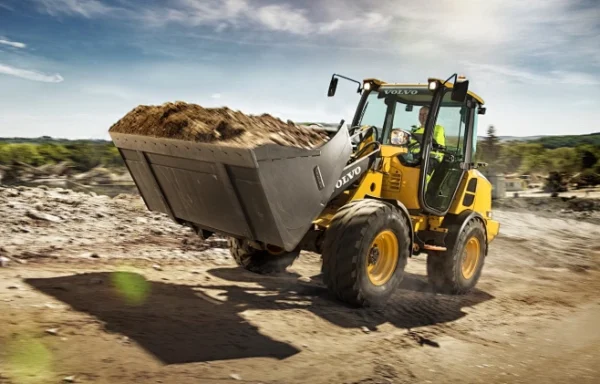
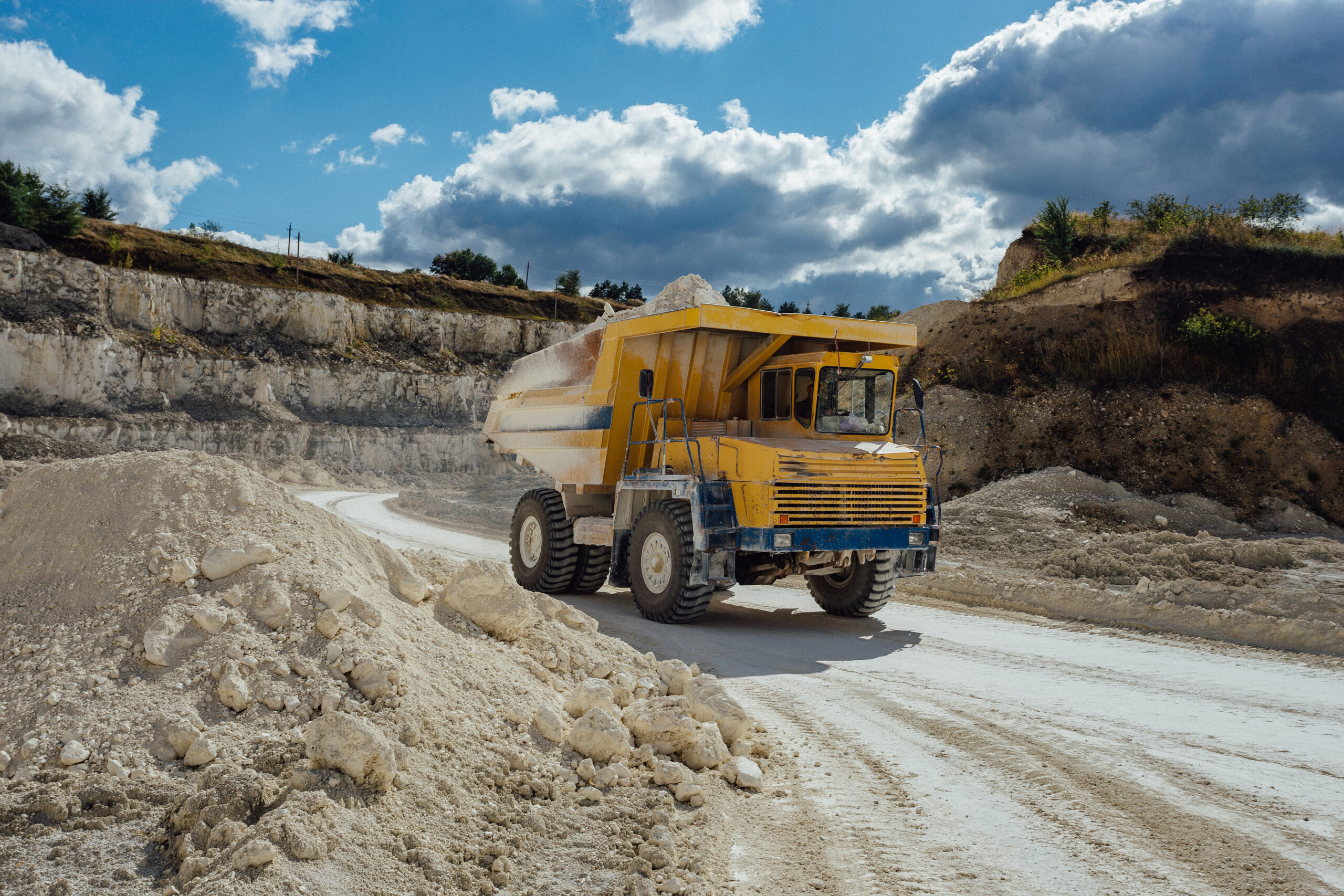
- Application and equipment type — a haul truck on a graded road lives far longer than a loader digging at a rock face.
- Tire specification — construction (bias vs. radial), tread pattern depth, compound, and TKPH rating must all match the duty cycle.
- Operating conditions — ambient temperature, rock hardness and sharpness, haul road quality, and surface moisture all affect wear rate.
- Maintenance discipline — inflation pressure management, rotation, and inspection catch problems before they become failures.
- Operator technique — spinning, hard braking, overloading, and aggressive turning all accelerate wear and damage.
When all five are optimized, a tire reaches its full design life. When any one is neglected, life drops — sometimes by half or more.
What Shortens OTR Tire Life?
Understanding the most common life-shortening factors is the first step toward controlling them.
1. Incorrect Inflation Pressure
Under-inflation is the number one cause of premature OTR tire failure. When pressure drops, the sidewall flexes excessively with every rotation, generating heat that degrades the casing and accelerates shoulder wear. Roughly 20% under-inflation can reduce tire life by ~25% and increase fuel consumption. Over-inflation is less common but equally damaging — it shrinks the footprint, accelerates center-tread wear, and raises the risk of impact damage and blowouts.
2. TKPH Exceeded
The Ton-Kilometer Per Hour (TKPH) rating is the tire’s thermal limit. When your actual operational TKPH (payload × distance × cycles per hour) exceeds the tire’s rated TKPH, heat builds beyond what the casing can shed. The tire may carry the load fine — right up until it suffers tread separation or a blowout. TKPH violations are one of the most common silent killers of haul truck tires.
3. Wrong Tread Pattern for the Conditions
Running a deep-tread L-5 loader tire on a long, fast haul cycle sounds like it should last longer (more rubber, right?) — but the thick tread traps heat and the tire fails from thermal damage. Conversely, running a shallow L-3 in severe rock service means the tread gets shredded before it delivers its design life. Matching the ETRTO pattern to the actual duty cycle is critical.
4. Poor Haul Road and Work Area Conditions
A haul road full of spillage, loose rock, and potholes acts like a tire shredder. Berms that force tight turning, bench edges that contact sidewalls, and standing water that softens the running surface all accelerate wear and damage. Road maintenance is tire maintenance.
5. Overloading
Exceeding the tire’s rated load capacity — whether by overfilling buckets, overloading truck beds, or running heavier than the tire’s load index allows — strains the casing beyond its design limit. The result is faster wear, ply separation, and eventual failure.
6. Operator Habits
Spinning tires on hard ground grinds away tread. Aggressive braking flat-spots the tire. Over-turning at full lock stresses sidewalls. dumping loads that impact the tray transfers shock to the tires. Skilled operators who understand how their technique affects tire life can extend it by 20–30% compared to careless operation.
[Link to: Mining Tire Industry Solutions]
What Shortens OTR Tire Life?
Understanding the most common life-shortening factors is the first step toward controlling them.
1. Incorrect Inflation Pressure
Under-inflation is the number one cause of premature OTR tire failure. When pressure drops, the sidewall flexes excessively with every rotation, generating heat that degrades the casing and accelerates shoulder wear. Roughly 20% under-inflation can reduce tire life by ~25% and increase fuel consumption. Over-inflation is less common but equally damaging — it shrinks the footprint, accelerates center-tread wear, and raises the risk of impact damage and blowouts.
2. TKPH Exceeded
The Ton-Kilometer Per Hour (TKPH) rating is the tire’s thermal limit. When your actual operational TKPH (payload × distance × cycles per hour) exceeds the tire’s rated TKPH, heat builds beyond what the casing can shed. The tire may carry the load fine — right up until it suffers tread separation or a blowout. TKPH violations are one of the most common silent killers of haul truck tires.
3. Wrong Tread Pattern for the Conditions
Running a deep-tread L-5 loader tire on a long, fast haul cycle sounds like it should last longer (more rubber, right?) — but the thick tread traps heat and the tire fails from thermal damage. Conversely, running a shallow L-3 in severe rock service means the tread gets shredded before it delivers its design life. Matching the ETRTO pattern to the actual duty cycle is critical.
4. Poor Haul Road and Work Area Conditions
A haul road full of spillage, loose rock, and potholes acts like a tire shredder. Berms that force tight turning, bench edges that contact sidewalls, and standing water that softens the running surface all accelerate wear and damage. Road maintenance is tire maintenance.
5. Overloading
Exceeding the tire’s rated load capacity — whether by overfilling buckets, overloading truck beds, or running heavier than the tire’s load index allows — strains the casing beyond its design limit. The result is faster wear, ply separation, and eventual failure.
6. Operator Habits
Spinning tires on hard ground grinds away tread. Aggressive braking flat-spots the tire. Over-turning at full lock stresses sidewalls. dumping loads that impact the tray transfers shock to the tires. Skilled operators who understand how their technique affects tire life can extend it by 20–30% compared to careless operation.
[Link to: Mining Tire Industry Solutions]
How to Extend OTR Tire Life
Extending tire life is not about one magic fix — it’s about disciplined execution across six areas.
1. Match the Tire to the Duty Cycle
Before anything else, get the specification right:
- Construction: radial for long/fast cycles; bias for short/rough/cut-heavy.
- Tread pattern: match ETRTO code to equipment and severity.
- TKPH rating: calculate your actual TKPH and spec a tire that exceeds it by 15–20%.
2. Run a Daily Pressure Management Program
| Action | Frequency | Impact |
| Check pressure cold with calibrated gauge | Daily | Catches slow leaks before they cause damage |
| Set pressure to load/speed table | Per load change | Ensures correct footprint and heat control |
| Install TPMS on high-value tires | Continuous | Real-time alerts for pressure loss |
| Cap and protect valves | Monthly | Keeps out debris and moisture |
3. Maintain Roads and Work Areas
- Sweep spillage and loose rock from haul roads regularly.
- Grade roads to maintain proper camber and drainage.
- Remove large rocks from loading areas before they cut tires.
- Keep berms and turning areas clear of sharp edges.
4. Train Operators on Tire-Saving Techniques
- Avoid spinning the tires — throttle smoothly, use differential locks when needed.
- Don’t overload buckets or truck beds beyond rated payload.
- Brake smoothly; avoid lock-up that flat-spots tread.
- Minimize sharp turns at full lock, especially on hard surfaces.
5. Inspect and Rotate on a Schedule
- Daily visual inspection: cuts, chunking, embedded objects, exposed cords.
- Weekly tread-depth logging: track wear rate and detect irregular patterns early.
- Monthly rotation: swap tire positions (front/rear, side-to-side) to even out wear.
- Defined scrap criteria: know when a cut is repairable vs. when the tire must come off.
6. Leverage Retreading for a Second Life
A high-quality OTR radial casing — especially one that was well-maintained and removed before structural damage — can often be retreaded for a second or even third life. Retreading can cut your tire cost per hour by 30–50% compared to buying new, while delivering near-equivalent performance. The key is removing the tire for retreading before the casing is damaged — running a tire to failure usually destroys the casing’s retread potential.
[Link to: Retreading / Tire Management Services]
Signs an OTR Tire Needs Replacement
Don’t wait for a failure to tell you a tire is done. Watch for these warning signs:
- Tread worn to or below the wear indicator (typically when lug depth reaches 15–20% of original).
- Visible cuts exposing cords or belts — the tire must be removed immediately.
- Sidewall bulges or bubbles — indicate internal casing damage; failure is imminent.
- Deep, spreading cracks in the tread groove or sidewall — rubber is degrading.
- Recurring slow leaks that can’t be resolved — bead or casing damage.
- Irregular wear beyond correction — one side bald, cupping, or flat spots that can’t be rotated out.
- Separation visible between tread and casing — the tire is structurally compromised.
When in doubt, remove the tire and have it inspected by a qualified technician. The cost of a premature removal is always less than the cost of a catastrophic in-service failure.