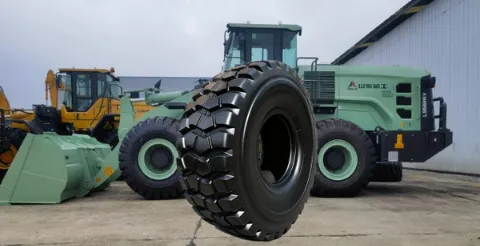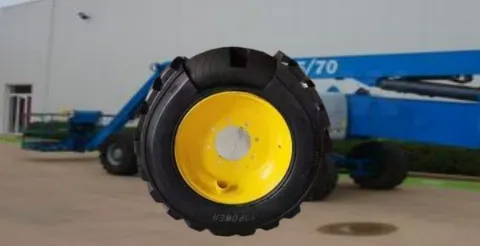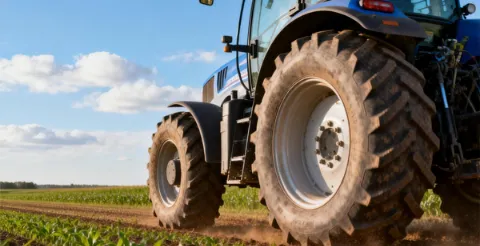
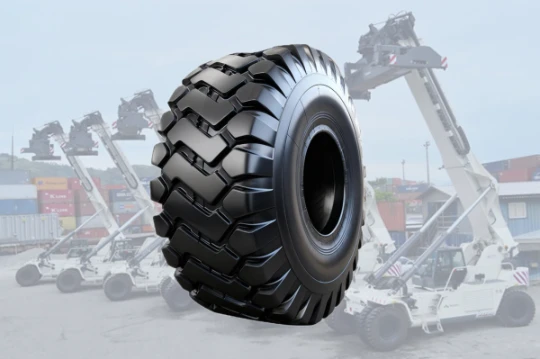
Port & Quarry OTR Tires work in some of the hardest places you can imagine. In ports, machines move heavy containers all day with almost no rest. In quarries, loaders and trucks run over sharp rocks, deep holes, and rough paths from sunrise to sunset. These places do not forgive weak tires. If a tire fails, the whole job stops, and the cost is high. That is why many buyers and fleet owners look for tires that can stay strong, keep machines moving, and last much longer than standard tires.
In simple words, Port & Quarry OTR Tires are special tools made for tough ground and heavy stress. They may look similar to normal tires from far away, but once you understand how they are built, the difference is huge. The strong design, deep tread, and special rubber mix help them stand up to heat, cuts, and very heavy loads. All these things make them the best choice for ports, quarries, and other hard-working job sites.
- Port & Quarry OTR Tires: The Tough Tire Choice for Heavy Work and Harsh Ground
Standard tires are great for normal roads or light job sites. But when you put them into a port or quarry, they reach their limit very fast. Their sidewalls are thinner, their tread is not deep enough, and the rubber cannot handle heat from long working hours. Sharp rocks can cut the tread. Heavy loads can cause the tire to bend too much or even fail. In short, normal tires are not made for this kind of harsh work.
- A simple guide on how heavy-duty OTR tires stay strong in ports, quarries, and other extreme job sites
The main strength of Port & Quarry OTR Tires comes from four key parts:
- a much stronger body
- a deeper and more aggressive tread
- rubber that resists heat and cuts
- the ability to carry very heavy loads for long hours
Each part helps the tire survive where a standard tire would give up.
- Stronger Structure for Heavy Stress
The body of an OTR tire is built with thick layers of strong material. The sidewalls are reinforced so the tire can stand up to hits, bumps, and pressure. Many OTR tires use steel belts to keep the shape firm under heavy load. Both radial and bias designs are used in ports and quarries, and each type has its own use. Radial tires give better comfort and longer life, while bias tires offer great stability and resistance to sidewall damage.
This strong structure is the main reason these tires can work all day under full load without breaking down.
- Deep and Aggressive Tread for Better Grip
Rough ground needs strong grip. Port & Quarry OTR Tires use thick tread blocks and deep grooves to help the machines stay stable on uneven or loose surfaces. The tread also cleans itself when moving, pushing mud, stone, and dirt out of the grooves. This helps keep good traction from morning to night.
Standard tires cannot match this kind of design, so they lose grip or get damaged faster in the same conditions.
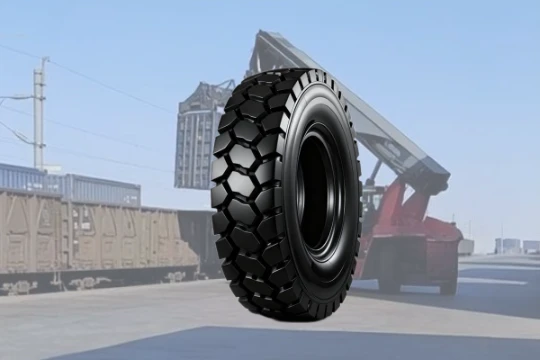
- Special Rubber Compound for Heat and Sharp Rocks
Another big difference is the rubber formula. Port & Quarry OTR Tires use a special blend that can handle heat from long work hours and resist cuts from rocks or metal debris. This rubber slows down wear, so the tire lasts longer and stays safe even when the machine is under heavy load.
Standard tires have softer and less-protecting rubber, which wears out faster and cannot resist sharp objects.
- Built for Heavy Loads All Day Long
Port machines lift huge containers every few minutes. Quarry loaders carry rock after rock without rest. This means the tires must handle massive weight again and again. OTR tires are made for exactly this kind of work. The thick body, steel belts, and strong sidewalls help keep the tire stable and prevent dangerous failures. This is why many fleet owners choose OTR tires even if the upfront price is higher – the long life and reduced downtime make the real cost much lower.
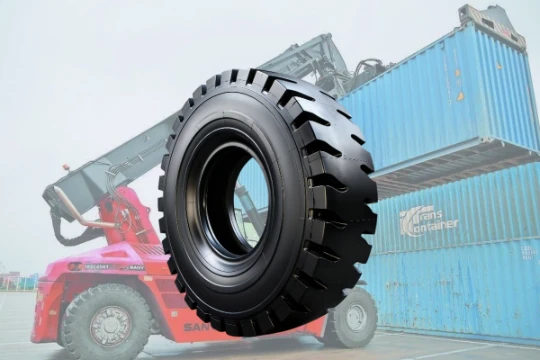
- Who Should Consider Port & Quarry OTR Tires
If your machines run in ports, quarries, or any place with heavy loads and harsh ground, these tires are a strong choice. They help reduce downtime, improve safety, and cut long-term costs. Importers, wholesalers, and fleet operators often choose them because they offer stable performance and longer life, even in very hard conditions.
Standard tires cannot match this kind of design, so they lose grip or get damaged faster in the same conditions.
| Key differences | ||
| Feature | Port/Quarry Tires | Standard Tires |
| Durability | Built with heavy-duty, puncture-resistant, and cut-resistant construction, including steel belts and reinforced sidewalls to protect against sharp objects and impact damage. | Designed for paved roads, with less emphasis on resistance to severe abrasion, cuts, and punctures. |
| Tread Pattern | Features deep and aggressive tread patterns for maximum traction and stability on loose or uneven surfaces. | Tread patterns are designed for specific on-road performance, such as reduced rolling resistance for fuel efficiency or wet grip. |
| Construction | Can use radial or bias construction. Radial tires offer better heat resistance and fuel efficiency, while bias tires offer a smoother ride and thicker sidewalls for stability. | Typically use radial construction for a balance of performance and fuel efficiency on highways. |
| Load Capacity | Engineered to carry extremely heavy loads, with reinforced construction to support their weight and application. | Designed for the varying loads of passenger vehicles, not the extreme weights of heavy equipment. |
| Performance Environment | Optimized for harsh, off-road conditions found in mines, quarries, and ports, including gravel, dirt, and debris. | Designed for the smooth, paved surfaces of roads and highways. |
| Tread Compound | Made with special rubber compounds formulated for high-durability and resistance to cuts, chips, and heat. | Uses compounds optimized for a balance of wear, grip, and fuel efficiency on pavement. |
- Final Thoughts
Port & Quarry OTR Tires are not just bigger or thicker tires. They are smart, strong, and carefully engineered tools for extreme work. Their strong build, deep tread, and powerful rubber mix help your machines stay safe and productive all day. If you want to keep your operations running smoothly with less risk and less downtime, these tires are worth serious consideration.
To learn more about how OTR tires perform in different work areas, you can also read our related article: How OTR Tires Power Heavy Equipment Across Different Job Sites.