Agricultural tractor tires do a lot more than carry the tractor from field to field. They support heavy loads, protect the soil, help the tractor pull through mud, and keep fuel use under control. When they start to wear out, the tractor loses both power and efficiency. Many farmers change their tires too late, only after the machine becomes hard to control or the field work slows down. Knowing the right time to replace your agricultural tractor tires keeps the job smooth and helps avoid unexpected downtime.
Key Signs It’s Time to Replace Your Tractor Tires
The first and most common reason for replacement is tread wear. When the lugs become shallow, the tractor loses grip in soft soil. You may see the tractor slipping more during plowing, or you may notice longer working time in wet fields. Uneven wear is another warning sign. If one side of the tire wears faster, it often means the tire has been run at the wrong pressure or carried too much weight.
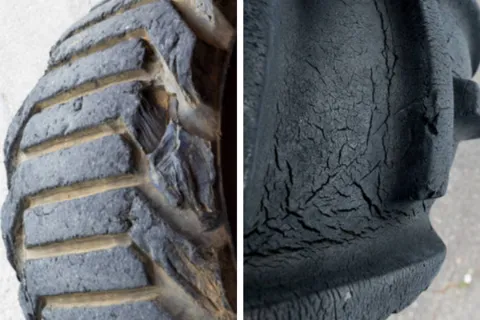
Another clear sign is sidewall damage. These cracks start small, usually from long hours under load or sunlight exposure. Over time they grow deeper. A small surface crack is normal aging, but long cracks that run across the sidewall signal that the casing is weakening. Once the casing loses strength, the tire can fail suddenly.
Farmers should also watch for lug chunking—pieces of the tread that break off from heavy torque or rocky ground. Missing lugs reduce pulling power, especially during deep tillage or when climbing a slope with a heavy implement. If the tractor feels like it is “fighting back,” the lugs may be worn beyond safe use.
Finally, pay attention to overall driving performance. A drop in fuel efficiency, rougher ride, or a slow response when steering are all signs that the tire structure is tired. Tires that lose air often and need refilling every few days also indicate internal damage.
How Long Do Agricultural Tractor Tires Usually Last?
There is no single number that works for every farm. A tractor used only for light transport may keep its tires for many seasons, while a machine used for deep tillage, loader work, or hilly ground may wear tires much faster. Sunlight, heat, and soil type all play a role. Hard ground and stones shorten tire life, while soft, moist soil is less aggressive.
Storage matters as well. Tires that sit outside in strong sunlight age faster. Keeping the tractor under a roof, keeping the tires clean, and adjusting pressure before heavy work all help extend tire life. Even without visible damage, old tires can become stiff over time. When the rubber loses flexibility, traction drops and the risk of cracking increases.
Repair or Replace? How to Choose
Small punctures in the tread area can often be repaired safely, especially if the casing is still strong. But sidewall cuts, deep cracks, or internal separations are not safe to repair. A patch can keep the tire running for a short time, but it cannot restore its strength. If the tire shows both wear and casing damage, replacement is the better choice. It reduces the chance of sudden failure during heavy field work.
Operating Habits That Affect Tire Life
The way you use the tractor has a big influence on tire life. Running at the wrong pressure is one of the most common causes of early wear. Overinflated tires have a small footprint, giving less traction and causing the center of the tread to wear faster. Underinflated tires flex too much, build heat, and wear on the shoulders.
Load and speed also matter. Carrying heavy tools or traveling long distances on the road puts more stress on the casing. If the tractor spends many hours on the road, the tires will age faster than in field-only work.
Choosing a New Tire When Replacement Is Needed
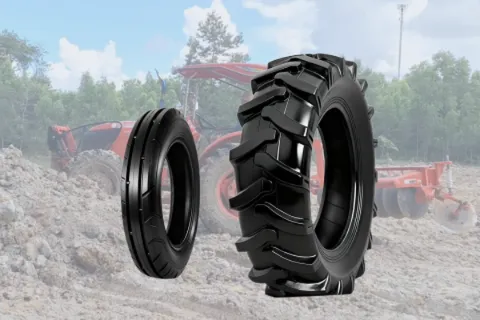
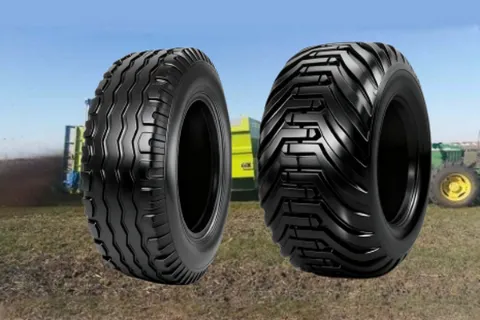
When it is time to replace your agricultural tractor tires, pick a tire that matches your soil type and work style. Radial tires give better traction and protect the soil better. Bias tires work well for rough ground or short-distance tasks. Lug designs also matter. R-1 works well in dry fields, R-1W offers deeper lugs for mixed conditions, and R-2 is best for very wet or soft ground.
Conclusion
Replacing agricultural tractor tires at the right time saves fuel, protects the soil, and keeps your tractor working safely. Watch for tread wear, sidewall cracks, and performance changes. Regular checks make sure the tractor delivers consistent power every season. For a clearer understanding of tire markings and how to choose the right size when replacing your set, you can also read the website article How to Read Agricultural Tire Sizes and Specifications?