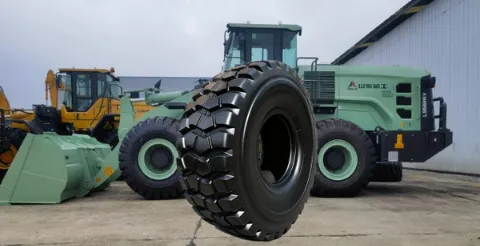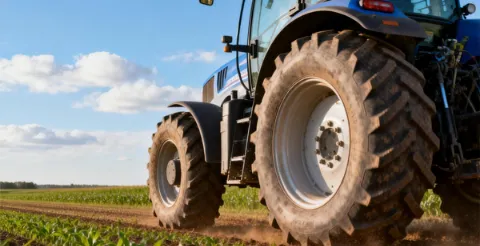
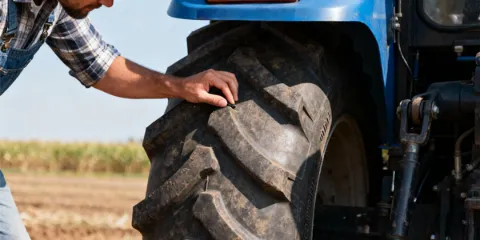
Tractor tires are the parts that connect the machine to the ground, and choosing the right ones has a big impact on farm work. The right tires improve traction, fuel use, soil protection, and safety. The wrong choice can cause early wear, poor performance, and higher maintenance costs. This guide walks farmers through the key checks to make before buying new tires, helping them avoid common mistakes.
-
Understand Your Working Environment
Different farm conditions require different tire designs. Before choosing, think about where the tractor works most of the time:
- Soil type: Clay soil needs deeper tread to reduce slipping. Sandy soil works better with wider tires that lower the risk of sinking.
- Terrain: Hilly or uneven areas need stronger grip and better balance.
- Weather and moisture: Wet fields and rainy seasons benefit from deep tread. Dry regions focus more on long wear life.
Understanding the environment makes it easier to choose the tire design that fits the land.
-
Know the Tire Types and Their Functions
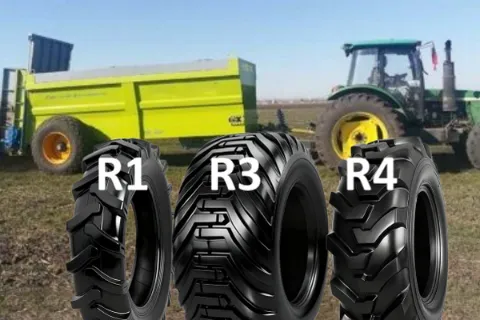
Here are the three most common tractor tire types farmers compare:
|
Type |
Features | Advantages |
Limits |
| R1 Agricultural Tires | Deep tread | Strong traction for field work | May damage grass surfaces |
| R3 Turf Tires | Shallow tread | Protects grass and reduces soil compaction | Weak traction in mud or wet fields |
| R4 Industrial Tires | Medium tread | Durable for mixed work | Average performance in deep mud |
-
Match the Load With Your Tractor
Tires must support both the weight of the tractor and the tools it pulls:
- The weight of the tractor sets the base load requirement.
- Extra tools- plows, planters, or trailers – add more pressure on the tires.
- Overloading shortens tire life and increases the risk of failure.
Checking the load rating helps prevent early damage and keeps field work safe.
- Size and Tread Design
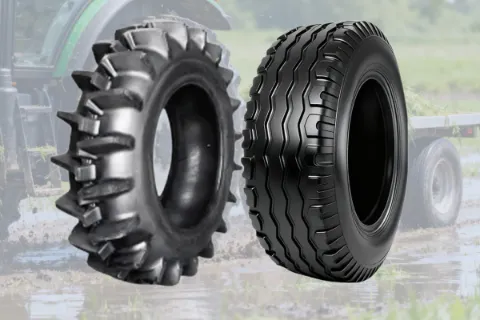
Choosing the right tire size and tread pattern directly affects field results:
- Correct sizing: Helps the tractor stay stable, saves fuel, and improves control.
- Tread depth: Deep tread increases traction, while shallow tread lowers soil compaction.
- Dual tires or wide tires: Good for farmers who need more ground contact to reduce sinking and protect soil.
For more detailed size reading guidance, see: How to Read Agricultural Tire Sizes and Specifications?
-
Maintenance and Durability
Even the best tires will fail early without proper care. Farmers should:
- Check air pressure often and avoid both overinflation and underinflation.
- Watch for tread wear, cracks, or cuts and replace tires when needed.
- Clean off mud and stones to reduce long-term surface damage.
Good maintenance protects your investment and keeps the tractor working smoothly year-round.
-
Cost and Long-Term Value
Price matters, but it should not be the only factor:
- High-quality tires cost more at first but can reduce fuel use and repair costs.
- Cheaper tires may save money short-term but often wear out faster, leading to higher long-term spending.
Choosing better tires usually gives farmers a higher return over the life of the tire.
-
Sustainability and Environmental Factors
Modern farming aims to protect land resources:
- Low-pressure tires help reduce soil compaction and protect soil structure.
- Tires made with eco-friendly or recyclable materials support sustainable farming trends.
Choosing tires that protect both the farm and the land is becoming more important in many regions.
✔ The Top 3 Checks Farmers Should Make Before Buying Tractor Tires
1.Match the environment: Soil, terrain, and weather should guide your tire choice.
2.Check load needs: Make sure the tire can carry the tractor and all attached tools.
3.Confirm size and tread: Pick the right size and tread style for your field work.
Conclusion
Choosing the right tractor tires is an important step to improve productivity and lower costs. By checking the working environment, tire type, load rating, size, tread, maintenance needs, and long-term value, farmers can make smarter decisions. When these points are combined with the information in How to Read Agricultural Tire Sizes and Specifications?, farmers gain a full guide for choosing and understanding tractor tires.