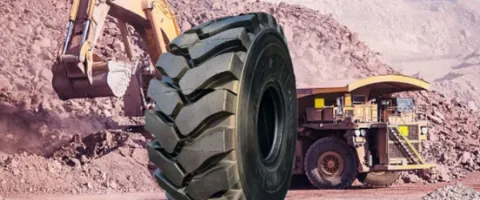
Offroad wheels & tires are the vital connection between powerful machines and the unforgiving ground. They power the hardest working equipment in agriculture, construction, and mining. Imagine a high horsepower tractor struggling through muddy farmland, or a massive wheel loader moving rock in a noisy quarry. In every case, the right choice of tire design, rim structure, and rubber compound directly influences critical factors like traction, stability, load capacity, and total operating cost.
While we group them under the same “offroad” category, agricultural, industrial, and OTR (Off-The-Road) tires face very different daily challenges. Understanding these differences is the first step to make the right choice.
Understanding the Three Main Offroad Tire Families
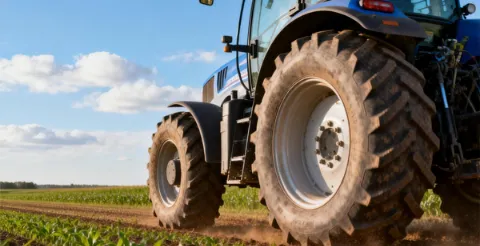
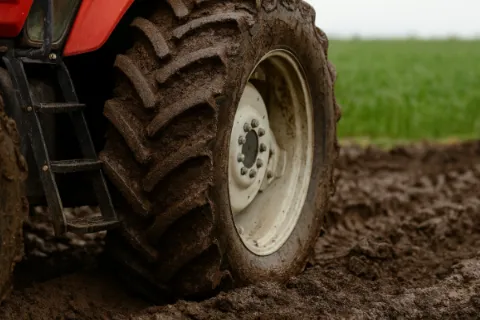
Agricultural tires are specialists in flotation and traction. Their primary goals are to protect the soil and provide pulling power. From classic R1 deep-tread patterns for wet fields to advanced IF/VF designs that carry heavier loads at lower pressures, modern farm tires balance immense strength with a gentler touch on the ground.
Pairing them with the correct tractor rims is crucial. This match helps maximize the tire’s footprint, reducing slippage and soil damage during critical planting and harvest seasons.
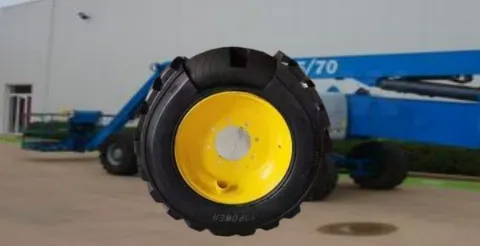
Industrial tires prioritize durability and stability above all. Machines like forklifts and skid steers often operate in challenging spaces filled with sharp debris. They rely on solid rubber tires or reinforced pneumatic structures to handle heavy loads and constant contact with rough surfaces.
Their wheels are built tough, too. Multi-piece rims and special compounds designed for high wear ensure these essential machines keep moving safely even on broken concrete or gravel.
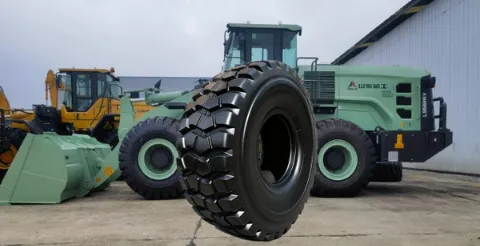
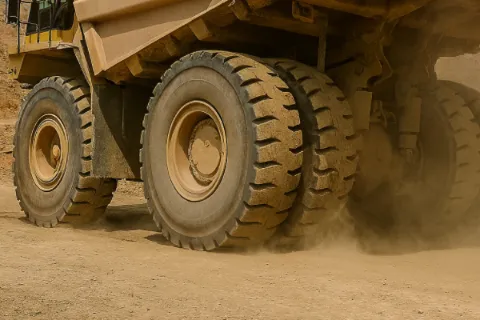
OTR tires face arguably the toughest environment of all: constant contact with rocks, extreme heat, and incredible loads. Loader and dump truck tires in quarries and mines require strong steel belts and cut-resistant rubber compounds to survive.
Their wheels are equally specialized. They are typically 3-piece or 5-piece rims with secure lock rings engineered to handle extreme stress and prevent dangerous failures.
What Powers Performance: Tread, Construction, and Compound
An offroad tire’s capability comes from the intelligent combination of three key elements. The first is tread design, which is the pattern you see. Deep lugs provide pulling traction in mud, while solid center blocks offer stability for wheel loaders.
The second element is construction strength. This refers to the tire’s skeleton, including fabric or steel plies and reinforced sidewalls. Radial construction offers lower heat buildup, while bias-ply remains a strong choice for certain heavy-duty tasks.
Finally, the rubber compound acts as the tire’s skin. Manufacturers use different blends for different jobs, such as heat-resistant compounds for mining or long-wear mixtures for forklifts.
Why the Right Wheel is Non-Negotiable
A well-built tire is only as strong as the wheel behind it. The rim must be a perfect partner, matching the tire’s exact width, bead seat angle, and bolt pattern. A poor match can cause poor handling, rapid wear, or even accidental de-mounting.
For heavy OTR equipment, wheels themselves are critical engineering projects. They feature high-strength steel and special coatings to prevent cracking—issues that can destroy a tire long before its tread is worn out.
Choosing the Right Tire for the Job: A Simple Guide
- Agriculture: Optimize for traction, flotation, and soil protection.
- Industrial: Prioritize stability, puncture resistance, and smooth handling.
- OTR: Focus on impact protection, heat resistance, and long cycle life.
Understanding Importer Challenges in Africa & South America
For importers and dealers in emerging markets, local realities shape purchasing decisions. In some African regions, unclear customs data makes forecasting demand and analyzing competitors difficult.
Furthermore, many fleets operate older machinery that requires non-standard sizes, complicating inventory planning. The high heat and rough terrain in areas like South America’s mining belts can also significantly shorten tire life.
While customers are often price-sensitive, their need for strong cut resistance and long wear remains high. Understanding these pain points helps suppliers build better product portfolios and tailored strategies.
Final Thoughts
Selecting the right offroad wheels and tires is a technical decision that affects safety, productivity, and cost. It requires understanding the machine, the surface it works on, and the loads it carries.
With proper daily maintenance—especially regular air pressure checks and rim inspections—fleets can dramatically extend service life and maximize their investment. If you work with mining or quarry customers, you may also want to explore our detailed guide on heavy-duty solutions: Heavy-Duty Mining Tyres Manufacturer.