Agricultural tires often decide how well a tractor or any farm machine can do its job from morning to night. When the wrong tire is chosen – or when a good tire is used in the wrong way – the machine loses power, burns more fuel, and grows old faster. Many farmers face these problems without knowing that simple choices can fix them. Here are the most common mistakes and how to avoid them.
Why the Right Tire Choice Matters
A farm machine depends on its tires to carry weight, grip soft soil, and roll smoothly on hard ground. A bad tire choice can make the soil too compact, reduce traction, or even cause breakdowns during busy seasons. With better knowledge and a little care, most of these issues can be avoided.
Common Mistakes When Choosing Agricultural Tires
Choosing the Wrong Tire Type
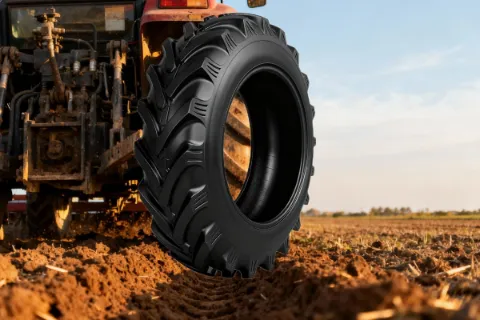
Many users do not match the tire type to the working surface. For soft fields, R-1 or R-1W patterns are needed. For mixed work, R-4 can be better. Bias and radial tires also behave very differently. Radial tires protect soil and give better comfort, while bias tires are cheaper but stiffer. Picking the wrong type harms both soil and machine.
Ignoring Tire Size and Rolling Circumference
This is one of the most common mistakes. A tire with the wrong size or rolling circumference can upset the balance between the front and rear axles. The machine then pulls or slips, using more fuel and wearing tires faster. Size must always match the machine maker’s guide.
Not Checking Load Index and Speed Rating
A tire that cannot carry the machine’s weight or speed will fail sooner. Overloading leads to sidewall cracks, broken beads, or heat build-up. Running at speeds above the tire rating creates too much heat, which is dangerous for both machine and operator.
Buying Low-Quality or Old Stock Tires
Cheap tires with low-quality rubber may look fine at first, but they wear fast and can break under stress. Some tires stay too long in storage and begin to age. Always check the production date and buy from trusted suppliers.
Usage Mistakes That Reduce Tire Life
Running the Wrong Tire Pressure
Incorrect pressure is one of the fastest ways to damage tires. Too high pressure makes the tire bounce and sink less in the soil, but it also causes more soil damage and lower grip. Too low pressure makes the sidewalls bend too much, which can lead to heat, cracks, and bead slip. Pressure for field work and road travel is usually not the same.
Lack of Daily Inspection
Small cuts, cracks, or stones stuck in the tread can turn into big problems. Rusted or bent rims can cause slow air loss. Many failures come from issues that were easy to see but never checked.
Using Tires in the Wrong Field Conditions
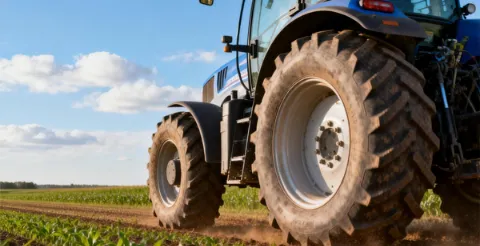
Soft soil often needs wide flotation tires. Wet clay fields need deeper tread. A common mistake is running standard tires in harsh or wet conditions, causing the machine to sink or lose grip.
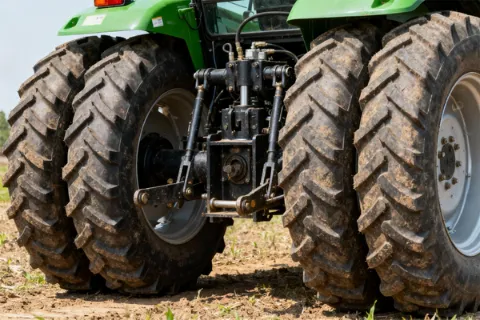
Mismatching Dual Tires
Dual tires must match in size, tread depth, brand, and pressure. If not, one tire pulls the other, causing uneven wear and early failure.
How to Avoid These Problems
- Choose the right tire type based on soil, weight, and machine use.
- Follow size and rolling circumference rules from the machine maker.
- Check load and speed ratings before buying.
- Keep pressure at the right level for field and road.
- Inspect tires often and match dual tires carefully.
Conclusion
Avoiding these common mistakes can help your farm machines work better, save fuel, and protect the soil. If you want to understand tire markings and choose the right size with confidence, read the next article: How to read agricultural tire sizes and specifications?