
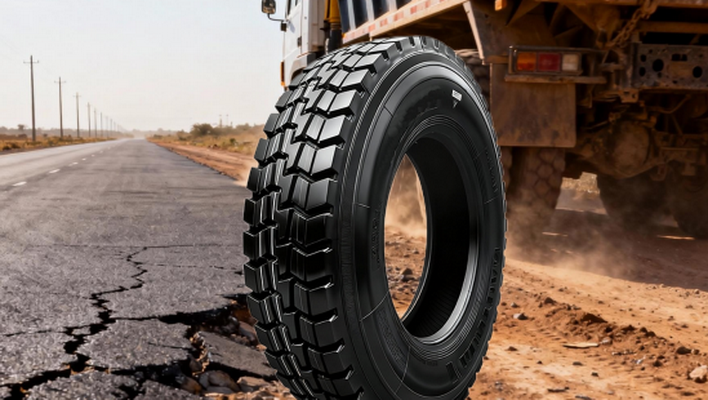
TBR tire solutions play a much bigger role than many fleet owners expect, especially in regions where roads change every few kilometers. In many emerging markets, trucks run on smooth highways in the morning, broken asphalt at noon, and rough dirt roads in the afternoon. One tire must handle all of it. That is not an easy job, but the right TBR tires for mixed road conditions can make it possible.
For importers, fleet managers, and transport companies, choosing the wrong tire often means faster wear, higher fuel cost, and more downtime. Choosing the right one can mean the opposite.
The Challenge of Mixed Road Conditions in Emerging Markets
In developed markets, roads are often consistent. In emerging markets, they are not. A single delivery route may include highways, city streets, rural roads, and construction zones.
Paved vs unpaved road stress
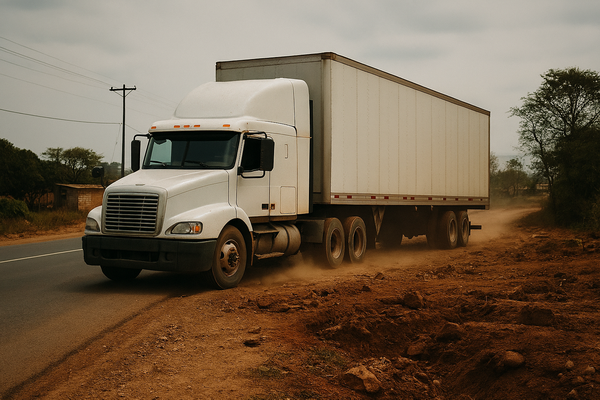
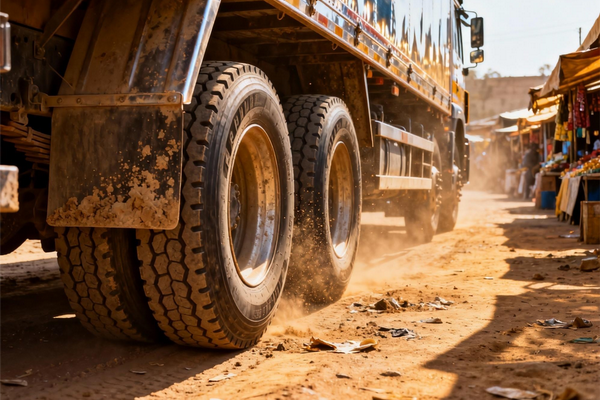
On paved roads, tires face heat buildup and long hours of rolling at speed. On unpaved roads, the stress is very different. Sharp stones, uneven surfaces, and dust attack the tread and sidewall. Switching between these surfaces every day increases fatigue inside the tire.
For emerging markets trucking, this mix is normal. For tires, it is a daily test.
Load control is another issue. Overloading is still common in many regions. Even when legal limits exist, real world practice is often different. Tires must survive under real conditions, not ideal ones.
What Makes a TBR Tire Suitable for Mixed Terrain
Not all TBR tires are designed for mixed use. Some work best on highways only. Others are made mainly for rough roads. Mixed road transport needs balance.
A suitable tire must handle speed and abrasion at the same time. It must also forgive small mistakes in inflation pressure and load. Because in real life, perfect control does not always happen.
For regional transport tires, flexibility is key. The tire must adapt without failing early.
Key Design Features That Improve Durability and Stability
Good TBR tire solutions are built from the inside out. Small design choices make a big difference over thousands of kilometers.
Sidewall strength and tread adaptability
Sidewalls matter more on rough roads than many people think. Strong sidewalls resist cuts, curb damage, and stone impacts. They also help the tire keep its shape under load.
Tread design must do two jobs. It needs enough rubber contact for highway stability. It also needs open areas to release stones and dirt on unpaved roads. If the tread is too closed, stones get stuck. If it is too open, highway wear increases.
The best designs find a middle ground.
Load variation and heat management
Heat is a silent tire killer. It builds up faster when loads change often. Frequent stops, starts, and speed changes also add heat.
Good TBR tires use compounds that manage heat well. They spread heat across the tread and casing instead of letting it concentrate in one area. This helps reduce blowouts and casing damage.
For fleets, better heat control means longer casing life and better retread value. That is money saved later, not just today.
How Fleets Benefit from the Right TBR Tire Solution
The benefits of choosing the right tire show up slowly, but clearly. They do not appear on day one. They appear after months of use.
First, tire life becomes more predictable. Fewer surprises mean better planning. Second, trucks spend more time on the road and less time in repair yards. Third, fuel use becomes more stable, especially on regional routes.
For importers, offering the right rough roads truck tires builds trust. Customers do not want perfect lab results. They want tires that survive real roads.
Fleet managers also notice driver feedback. Better stability and steering feel reduce driver fatigue. A tired driver makes mistakes. A stable truck helps everyone.
And yes, drivers talk. When they like a tire, others soon hear about it.
Conclusion
Mixed road conditions are not a problem that will disappear. In many regions, they are part of daily transport life. That means tire selection is no longer just about price or brand. It is about suitability.
The right TBR tires for mixed road conditions help fleets reduce risk, control cost, and improve uptime. They support both paved and unpaved travel without constant compromise.
For buyers making procurement decisions, understanding these factors leads to better long term results.
If you are also comparing options for highway focused operations, you may find this guide useful:
Internal link: How to Choose Truck Tires for Long Haul Trucks?