Run flat tires insert is designed to keep vehicles moving even when tires have lost air pressure – something that becomes especially critical when those vehicles are carrying heavy loads or traveling at high speeds. In these demanding conditions, a simple puncture can quickly escalate into a safety hazard, mechanical damage, or an expensive operational delay.
For fleets operating in challenging environments, tire failure isn’t just inconvenient – it can stop an entire mission. That’s why many industries are turning to reinforced tire systems that provide structural support even after air loss. Let’s take a closer look at why high-load, high-speed conditions are tough on tires, and how run flat inserts help solve the problem.
Why High Load and High-Speed Conditions Challenge Tire Safety
The Combined Stress of Weight, Heat, and Velocity
When a vehicle carries significant weight and moves at speed, tires are constantly under pressure – literally and figuratively. Every rotation of the tire involves deformation of the sidewall and tread. Add heavy loads, high speed, and long driving distances, and you get a perfect recipe for heat buildup.
Heat is one of the biggest enemies of tire durability. As the tire flexes, internal friction generates heat within the rubber compound and carcass. Over time, this can lead to structural fatigue, reduced stability, or even sudden air loss.
Think of it like running a marathon while carrying a backpack full of bricks. The more weight and speed involved, the more stress your equipment experiences.
Why Conventional Tires Become a Risk Point
Traditional pneumatic tires rely entirely on air pressure to maintain their shape and support vehicle weight. If that air suddenly disappears – due to a puncture, debris, or other damage – the tire can collapse almost instantly.
Under heavy loads or high speeds, that collapse can cause:
- sudden loss of stability
- steering control issues
- damage to the wheel rim
- dangerous roadside stops
For fleets operating in remote areas or high-risk environments, these scenarios are far from ideal.
Industries Where These Conditions Are Common
High-load and high-speed tire stress is common across several industries, including:
- security and armored vehicle fleets
- heavy logistics transport
- industrial service trucks
- emergency response vehicles
In these sectors, reliability and safety are essential. Vehicles often need to continue moving even after a tire is compromised, which is exactly where reinforced support systems come into play.
How Run Flat Inserts Maintain Mobility After Air Loss
Structural Support Inside the Tire
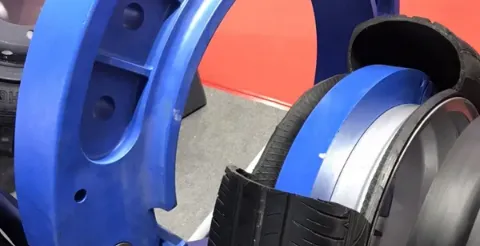
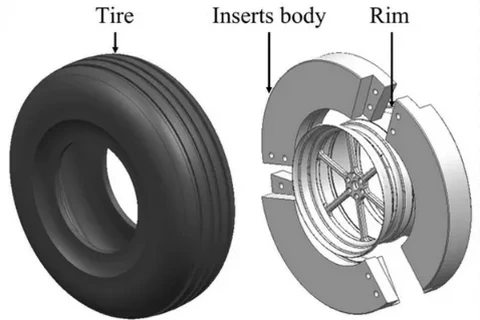
A run flat insert sits inside the tire, mounted around the wheel rim. Instead of relying entirely on air pressure, the insert provides an internal support structure that can carry the vehicle’s weight if the tire loses pressure.
When a puncture occurs, the insert prevents the tire from collapsing onto the rim. The vehicle can continue moving while the insert temporarily supports the load.
In other words, the insert acts like a hidden backup system quietly waiting for its moment.
Maintaining Vehicle Stability and Control
Another advantage of inserts is improved stability during an air-loss event. Without structural support, a deflated tire may deform unevenly, making steering unpredictable.
Run flat inserts distribute the load more evenly between the rim and tread. This helps maintain traction, steering response, and vehicle balance.
Drivers may notice the tire problem, but they still retain enough control to safely maneuver the vehicle.
Safe Continued Operation for Critical Missions
The goal of run flat systems is not unlimited driving, of course. Instead, they provide a controlled mobility window – allowing vehicles to continue traveling for a limited distance and speed after tire damage.
This extra mobility allows operators to:
- leave dangerous areas
- reach maintenance facilities
- avoid roadside immobilization
For a deeper look at how these systems improve vehicle safety, see Improving Fleet Safety with Advanced Run Flat Tire Insert Systems, which explores real-world fleet applications.
Engineering Features for High Load and High-Speed Performance
High-Strength Polymer or Composite Materials
Modern run flat inserts are typically made from high-strength polymer or composite materials designed to withstand extreme pressure. These materials must handle repeated compression cycles while maintaining structural integrity.
They also need to resist heat, which can build up quickly when a tire is running without air support.
Precision Fit Between Rim, Tire, and Insert
A run flat insert system works best when the insert, tire, and rim are precisely matched. The geometry of the insert must align with the tire’s internal cavity and the rim profile.
If the fit is wrong, performance can suffer – or worse, the system may not function properly during an emergency.
That’s why most insert systems are designed around specific tire sizes and wheel configurations.
Heat Management at Higher Speeds
High-speed driving introduces additional challenges. As the insert supports the vehicle’s load after air loss, friction and compression generate heat.
Many modern insert designs include features that help manage heat, such as:
- optimized material structures
- ventilation channels
- heat-resistant polymers
These design improvements allow inserts to perform reliably during extended mobility scenarios.
Benefits for Fleet Reliability and Operational Safety
Reduced Risk of Sudden Vehicle Immobilization
One of the biggest advantages of run flat systems is preventing vehicles from becoming stranded.
Instead of stopping immediately after a puncture, the driver can continue moving to a safer location.
### Improved Mission Continuity for Critical Vehicles
For security or emergency fleets, maintaining mobility can be essential. Whether the vehicle is transporting personnel or responding to incidents, stopping unexpectedly may not be an option.
Run flat inserts provide an extra layer of operational resilience.
Lower Downtime and Maintenance Interruptions
Fleet managers also appreciate the logistical benefits. Instead of dispatching recovery vehicles or performing roadside repairs, damaged tires can often be handled during scheduled maintenance.
That means less downtime – and fewer headaches for the operations team.
Choosing the Right Run Flat Insert for Your Application
Matching Insert Capacity to Vehicle Load Rating
Every vehicle has a load rating, and the insert must be capable of supporting that load in the event of air loss. Selecting an insert with sufficient load capacity ensures safe temporary operation.
Evaluating Speed Requirements and Heat Resistance
Vehicles traveling at highway speeds place greater thermal stress on inserts. Fleets operating in these conditions should prioritize systems designed for higher speed ratings and heat tolerance.
Working with Experienced Tire Solution Providers
Finally, choosing the right insert often requires technical guidance. Experienced tire solution providers can help ensure compatibility between the insert, tire model, and wheel design.
That kind of expertise can make the difference between a system that merely fits – and one that performs reliably when it matters most.
Conclusion
Run flat inserts designed for high load and high-speed applications provide a critical layer of safety and reliability for vehicles operating under demanding conditions. By supporting the tire structure after air loss, these systems help maintain vehicle stability, reduce operational risks, and ensure that fleets can continue moving even in emergency situations. For industries where downtime, safety, and mission continuity matter, integrating advanced run flat insert technology into vehicle tire systems is an effective way to strengthen both performance and operational resilience.