
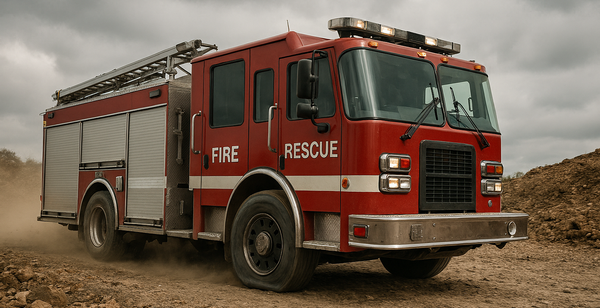
Run flat tire inserts are often the quiet heroes behind mission-critical vehicle operations, because when a vehicle cannot afford to stop, the tire system must keep working – no excuses.
Whether it is an armored patrol vehicle, an emergency response truck, or a utility fleet working in high-risk environments, “mission-critical” means one thing very clearly: failure is not an option. In these operations, a flat tire is not just an inconvenience. It can become a safety threat, a mission delay, or even a life-risking event. That is exactly why run flat inserts are becoming a key part of modern fleet safety systems.
What Makes a Vehicle Mission-Critical
A mission-critical vehicle is not defined by how expensive it is or how advanced the electronics are. It is defined by what happens if it stops.
Typical mission-critical vehicles include armored SUVs, military and police patrol vehicles, fire and rescue trucks, ambulances, and infrastructure service fleets operating in remote or dangerous areas. These vehicles often run on tight schedules, in unpredictable conditions, and sometimes under direct external threats.
In such scenarios, a simple tire failure can cause a chain reaction: loss of mobility, exposure to danger, delayed response, and increased risk for people and assets. That is why emergency mobility is not a “nice-to-have” feature. It is a core operational requirement.
Risks of Sudden Tire Failure in Critical Operations
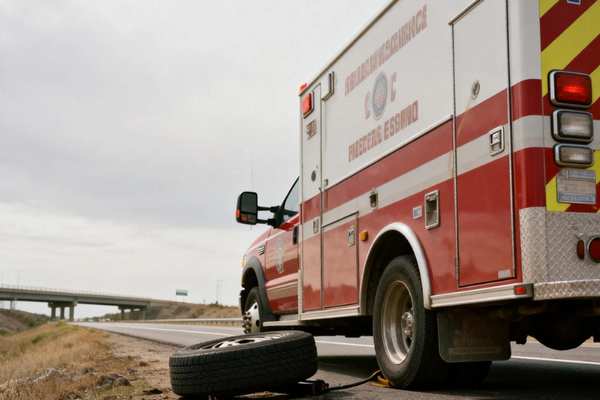
Sudden tire air loss is one of the most common and underestimated risks in critical vehicle operations. Sharp debris, rough terrain, roadblocks, or even intentional damage can cause rapid deflation.
When a standard tire loses air, the result is usually immediate loss of control or complete immobilization. In high-speed or high-load situations, this can be extremely dangerous. Even at low speeds, being forced to stop in an unsafe location is often unacceptable.
This is where many fleets realize that traditional tire solutions alone are not enough. True risk control requires thinking beyond the tire itself and looking at integrated safety systems.
How Run Flat Tire Inserts Support Continued Mobility
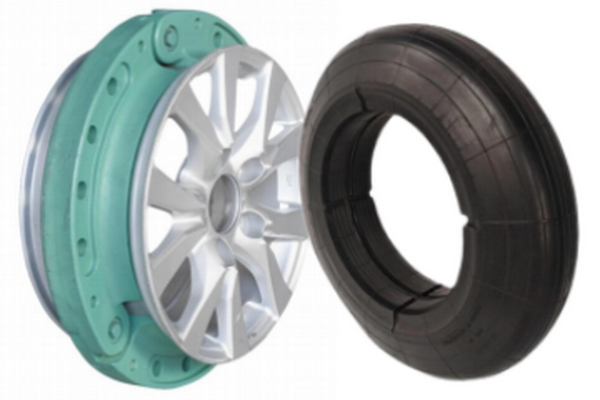
Run flat tire inserts are designed to solve one very specific problem: how to keep a vehicle moving after air loss. Installed inside the tire, the insert carries the vehicle load when pressure is gone, preventing the tire from collapsing completely.
Instead of riding directly on the rim, the vehicle continues to move on the insert. Steering control remains manageable, braking stays predictable, and the driver can safely exit danger zones or complete critical segments of the mission.
For fleet managers and procurement teams, this means emergency mobility becomes a built-in capability rather than a reactive response. It is a practical, mechanical solution that works even when electronics fail or conditions are extreme.
For a deeper technical explanation, you can also read How Run Flat Tire Inserts Keep Vehicles Moving After Sudden Air Loss, which explains the system behavior in more detail.
Driving After Air Loss
Driving after air loss does not mean driving forever. It means controlled, predictable movement for a defined distance and speed. Run flat inserts allow vehicles to maintain directional stability and avoid sudden loss of control, which is often more important than comfort.
Load Capacity and Speed Limits
Every run flat insert system has its own load ratings and recommended speed limits after deflation. These limits depend on vehicle weight, insert material, and mission profile. Matching the insert to the real operating load is critical for both safety and durability.
Rim and Tire Protection
An often overlooked benefit of run flat inserts is rim protection. By preventing direct contact between the rim and the ground, inserts reduce secondary damage, lower repair costs, and help extend overall wheel system life.
Choosing the Right Run Flat Insert System
Not all run flat inserts are the same, and choosing the right system requires understanding the mission, not just the vehicle. Key factors include vehicle weight, typical speed, terrain conditions, and expected threat level.
A common mistake is selecting inserts based only on price or availability. In mission-critical fleets, compatibility, proven performance, and correct sizing matter far more than small upfront savings.
From a fleet safety systems perspective, run flat tire inserts should be treated as risk-control equipment. When properly selected and installed, they reduce downtime, improve operational reliability, and give drivers one less thing to worry about when conditions get tough.
Conclusion
In mission-critical vehicle operations, mobility equals safety. Run flat tire inserts provide a simple but powerful way to control one of the most common and dangerous risks: sudden tire air loss.
By supporting continued movement, protecting wheels, and enabling controlled driving after deflation, run flat inserts help fleets stay operational when it matters most. For emergency services, security fleets, and high-risk operations, this is not just a technical upgrade – it is a strategic decision.