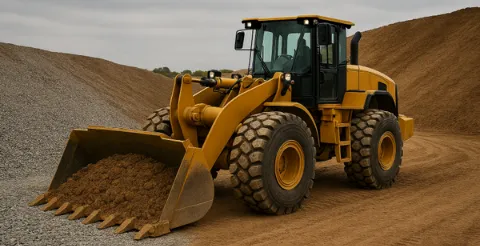
OTR Tires are often the quiet heroes of construction fleets, working long hours under heavy loads while rarely getting the attention they deserve. For contractors running multi-application construction fleets, the right OTR tires are not just a spare part – they are a productivity tool, a cost-control lever, and sometimes the difference between finishing a job on time or watching a machine sit idle.
In today’s construction world, fleets are expected to do more with fewer machines. One day a wheel loader is moving aggregates on a quarry floor, the next it’s operating on a soft construction site, and later it may end up on a partially paved road. This reality makes construction OTR tires a strategic decision rather than a simple purchase.
Challenges Faced by Multi-Application Construction Fleets
Multi-application construction fleets face a unique mix of challenges that single-task fleets rarely see. Contractors often operate across different job sites, climates, and ground conditions – sometimes all in the same week.
Loaders, graders, and dozers
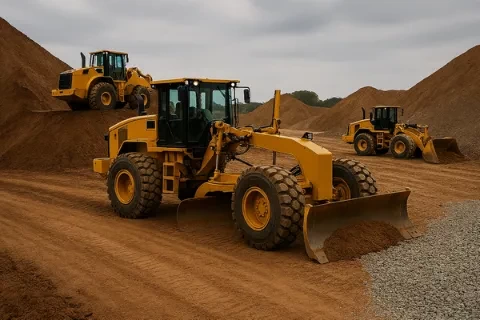
A single fleet may include wheel loaders, motor graders, and dozers, each placing different stress on tires. Loaders demand strong sidewalls and high load capacity, graders need stability and precise ground contact, while dozers require excellent traction and cut resistance. Finding OTR tires that can perform reliably across this equipment mix is a constant balancing act.
Mixed terrain and changing work conditions
From rocky ground and gravel roads to mud, sand, and compacted soil, construction fleets rarely enjoy consistent terrain. Tires must handle sharp stones without chunking, resist heat buildup on harder surfaces, and still deliver traction when conditions turn soft. This is where poorly matched heavy equipment tires quickly show their limits.
Balancing wear and performance
Contractors want long tire life, but not at the cost of performance. Excessive wear increases operating costs, while poor traction or instability can slow productivity and raise safety concerns. The challenge is finding OTR tires that wear evenly while still delivering reliable grip and load support.
Why Tire Specialization Matters Across Job Sites
Some fleets still try to use “one-size-fits-all” tires across all applications. While this may look good on paper, it often leads to higher long-term costs.
Specialized contractor tire solutions are designed with specific construction demands in mind. When tire design matches real-world applications, machines operate more efficiently, fuel consumption improves, and downtime caused by tire failures drops noticeably.
For multi-application fleets, specialization does not mean owning dozens of tire types. Instead, it means choosing versatile OTR tires engineered to perform consistently across a wide range of tasks. This approach keeps fleets flexible without sacrificing durability.
For operations facing extreme environments such as mining or high-impact quarry work, you may also want to read OTR Tires Built for Extreme Conditions
OTR Tire Design Features for Versatile Use
Modern construction OTR tires are no longer built for a single surface or machine. Their design reflects the reality of mixed-use construction fleets.
Tread patterns optimized for flexibility
Versatile OTR tires often use balanced tread designs that provide traction on loose surfaces while maintaining stability on harder ground. This reduces the need for frequent tire changes when moving equipment between job sites.
Reinforced casing and sidewall protection
Multi-application use increases the risk of sidewall damage. Strong casing construction and reinforced sidewalls help heavy equipment tires resist cuts, impacts, and deformation under heavy loads.
Heat and wear management
Construction work often involves long operating hours. Quality OTR tires are engineered to manage heat buildup and promote even wear, extending service life across different applications.
Simplifying Tire Selection and Inventory Management
For fleet managers, complexity is the enemy. Too many tire types increase inventory costs, complicate maintenance planning, and raise the risk of downtime.
By selecting multi application fleets-oriented OTR tires, contractors can simplify tire inventories while still meeting diverse operational needs. Fewer SKUs mean easier stock management, faster replacements, and more predictable operating costs.
From a procurement perspective, standardized construction OTR tires also make supplier communication easier and help maintain consistent performance across the fleet.
Choosing the Right OTR Tires for Long-Term Value
Selecting OTR tires for multi-application construction fleets is not about chasing the lowest upfront price. It’s about long-term value.
Reliable heavy equipment tires reduce unexpected downtime, protect expensive machines, and support consistent productivity across job sites. When tires last longer and perform better, total cost of ownership drops – something every contractor appreciates.
Fleet operators who invest in well-designed contractor tire solutions often find that their machines run smoother, operators feel more confident, and maintenance teams spend less time dealing with tire-related issues.
Final Thoughts
Multi-application construction fleets are here to stay, and their demands will only grow. The right OTR tires make it possible to handle different machines, terrains, and workloads without constant compromises.
By choosing versatile construction OTR tires designed for real-world conditions, contractors can simplify fleet management, control costs, and keep projects moving – even when the job site changes again tomorrow.
After all, when your tires are ready for anything, your fleet usually is too.