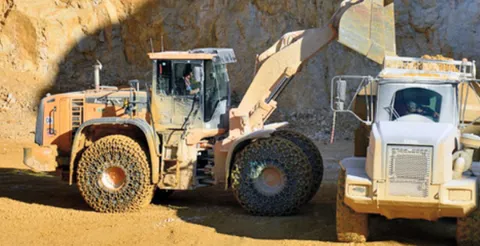
Heavy load OTR tires and high torque OTR tires are engineered to survive some of the toughest working environments on earth. In mining pits, quarries, and large construction sites, machines do not move gently. They start hard, push constantly, and carry massive weight hour after hour. Under these conditions, standard tires wear out quickly or fail in ways that cost time and money.
When equipment runs under high torque and heavy load at the same time, the stress on the tire multiplies. It is not just about weight. It is about force, heat, and constant structural pressure. That is why OTR tires designed for these environments require specialized construction and compound design.
Why High Torque and Heavy Loads Create Unique Tire Stress
Torque-Induced Heat and Tread Deformation
Wheel loaders and dozers generate strong torque during startup and pushing operations. Every time a loader scoops material and accelerates, the torque transfers directly to the tire’s tread blocks. Over time, this repeated force can cause tread movement, uneven wear, or even tearing.
Heat is another hidden factor. High torque creates friction between the tread and the ground, especially on rocky surfaces. As temperature builds up, rubber becomes softer and more vulnerable to damage. If heat is not properly managed through design, tire life can drop significantly.
Load Concentration and Sidewall Fatigue
Heavy equipment rarely carries light loads. A fully loaded machine places continuous pressure on the tire’s casing and sidewall. Unlike highway trucks that cruise at steady speed, mining and construction machines often operate in short cycles with frequent turning and braking.
This creates repeated compression and flexing in the sidewall area. Over time, that flexing leads to fatigue. Extreme duty OTR tires are designed to handle this repeated stress through stronger internal support and balanced structure.
Engineering Features of Heavy Load OTR Tires
Reinforced Carcass Construction
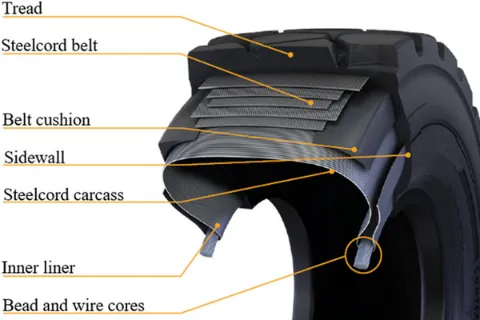
One of the most important design elements is the reinforced carcass. In simple terms, this is the internal framework that holds the tire together. For heavy-duty applications, multiple strengthening layers help the tire maintain its shape under pressure.
A stronger carcass improves stability and reduces deformation during heavy lifting or pushing. It also helps distribute load more evenly across the contact area, lowering the risk of localized damage.
Deep, Cut-Resistant Tread Compounds
In high-risk environments, tread depth matters. Deeper tread blocks provide longer wear life and better resistance to cuts from sharp rocks and debris. Special rubber compounds also help resist chunking and cracking.
For loader OTR tires, tread design must balance traction and durability. Strong grip is necessary for efficient material handling, but excessive softness can reduce lifespan. The right compound finds a middle ground between flexibility and toughness.
Matching Tire Design to Equipment Type
Loader OTR Tires for High Torque Starts
Loaders are known for frequent starts and directional changes. The front tires often carry more stress due to lifting loads. High torque OTR tires used on loaders must handle repeated power transfer without rapid tread damage.
Design focus here includes improved tread stability and strong shoulder support to resist tearing during aggressive movement.
Dozer Tires for Continuous Push Operations
Dozers operate at lower speed but under constant pressure. Instead of quick bursts of torque, they apply steady force while pushing heavy material. Dozer tires require strong casing support and even wear patterns to maintain balance over long shifts.
Extreme Duty OTR Tires for Mining Conditions
Mining environments combine heavy loads, sharp surfaces, and long operating hours. Extreme duty OTR tires often feature thicker tread and enhanced structural support to reduce downtime.
For a broader look at how tire design should match terrain and equipment, you can also read How OTR Tires Are Matched to Terrain Load and Equipment Type, which explains selection strategy in more detail.
Operational Benefits Beyond Durability
Improved Equipment Stability
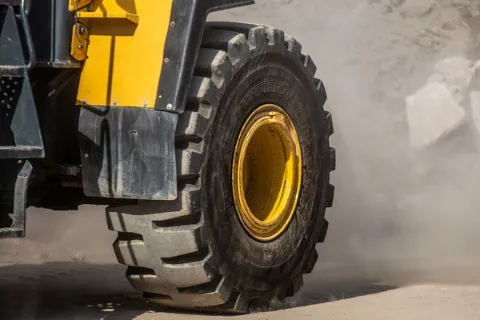
Strong tire structure improves overall equipment balance. When tires maintain shape under load, machines handle more predictably. This supports safer operation, especially on uneven or sloped ground.
Reduced Downtime and Maintenance Costs
Unexpected tire failure leads to equipment stoppage. In mining or infrastructure projects, downtime can disrupt entire workflows. By using heavy load OTR tires designed for real operating conditions, fleets can reduce unscheduled replacements and improve overall productivity.
Selecting the Right Tire for High-Stress Operations
Choosing the correct tire involves more than checking load rating. Operators should evaluate real working conditions, including torque patterns, duty cycle, and terrain type.
Frequent starts, long pushing cycles, and heavy material handling all influence the best design choice. A balanced approach that considers traction, heat resistance, and structural strength will deliver better long-term performance.
In demanding environments, tires are not just components. They are load-bearing partners in productivity. When properly selected, high torque OTR tires support safer operations, longer service life, and more consistent output under the toughest conditions.