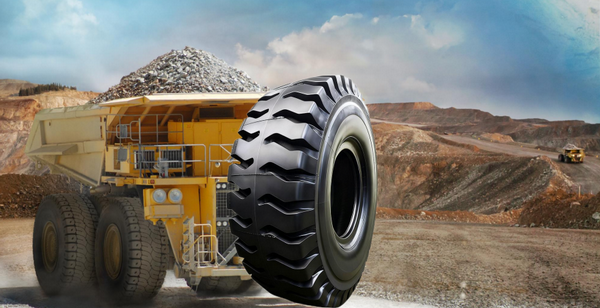
Mining tires play a much bigger role than many people realize, especially when equipment is working on loose gravel, broken rock, or highly abrasive ground. In these conditions, stability isn’t just about comfort – it directly affects safety, productivity, and operating cost. When a tire struggles to stay planted, machines lose control, operators slow down, and wear accelerates across the entire system.
Loose and abrasive surfaces are common in open-pit mines, quarries, and metal extraction sites. These environments constantly test how well a tire can hold its shape, grip the ground, and survive sharp edges. Understanding what improves stability helps mining teams make smarter tire choices before problems show up in the field.
Why Stability Matters So Much in Mining Operations
The Challenge of Loose and Abrasive Ground
Loose ground shifts under load. One moment the tire is supported, the next it sinks or slides. Abrasive surfaces add another layer of stress by grinding away rubber and exposing the casing to cuts. Together, these conditions can cause sudden loss of traction, uneven wear, or sidewall damage.
When stability drops, operators may notice wheel slip during acceleration, reduced control while turning, or longer braking distances. Over time, these small issues turn into safety risks and unplanned downtime.
Stability, Safety, and Cost Are Closely Linked
A stable tire helps equipment move predictably. That means fewer sudden corrections by the operator, smoother cycles, and less stress on the drivetrain. On the cost side, better stability often leads to longer tire life and more consistent fuel use. When machines can run at their intended speed without slipping, productivity improves and cost per ton stays under control.
Design Features That Help Tires Stay Stable
Tread Patterns Built for Loose Terrain
On loose ground, the tread has to do more than just look aggressive. Deep, well-spaced blocks allow the tire to dig in, release debris, and regain grip with each rotation. Open grooves help prevent material from packing into the tread, which would otherwise reduce contact with the ground.
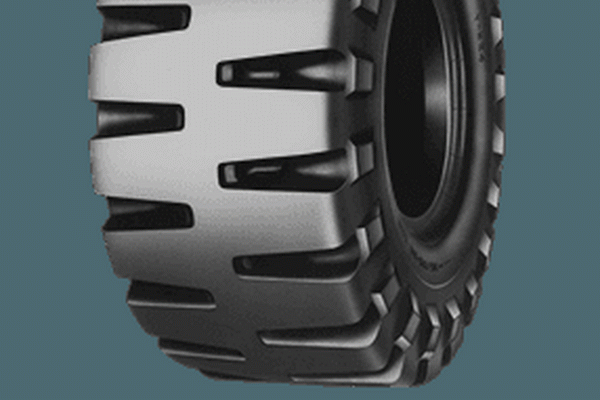
This kind of pattern supports steady traction instead of sudden grab-and-slip behavior, which is a common cause of instability on gravel or soft rock.
Strong Internal Structure and Sidewall Support
Stability doesn’t come from the tread alone. Inside the tire, the carcass must handle heavy loads without excessive flexing. Reinforced plies and a well-designed bead area help the tire maintain its shape under pressure.
Sidewall strength is especially important when equipment turns or travels across uneven surfaces. Too much flex can make the machine feel unstable, while too much stiffness can increase the risk of cracking. A balanced structure helps keep the footprint consistent.
Compounds That Resist Cuts Without Losing Grip
Abrasive surfaces act like sandpaper. Sharp edges and rough rock constantly attack the rubber. Special rubber compounds are designed to resist cutting and tearing while still providing enough friction to maintain control.
The goal isn’t just durability. A compound that’s too hard may last longer but reduce grip. A well-engineered blend finds the middle ground, supporting stability while slowing down wear.
Matching Tires to Equipment and Work Conditions
Load and Machine Type Matter
Different machines stress tires in different ways. Rigid dump trucks carry heavy, evenly distributed loads. Articulated trucks deal with more side forces during turns. Loaders experience frequent starts, stops, and sharp steering angles.
Choosing a tire without considering these differences can reduce stability, even if the size looks correct on paper. Load ratings, construction type, and intended application all need to line up.
Speed, Distance, and Work Cycles
Stability requirements change with speed and cycle length. A tire that performs well in short haul cycles may behave differently on longer routes. As speed increases, small losses in control become more noticeable and more dangerous. Matching the tire to real operating conditions is key.
Common Specification Mistakes That Hurt Stability
Ignoring Terrain Details
One of the most common mistakes is using a general-purpose tire in a highly specific environment. Not all loose ground is the same, and not all abrasive surfaces behave alike. Failing to account for local conditions often leads to uneven wear and early replacement.
Underestimating Long-Term Cost Impact
Poor stability rarely shows up as a single dramatic failure. Instead, it appears as faster wear, higher fuel use, and more frequent maintenance. Over time, these issues quietly increase cost per ton. This is explored in more detail in the solutions article How Mining Tire Specification Mistakes Increase Cost per Ton Moved – And How to Avoid Them, which looks at how small selection errors can add up.
How to Evaluate Stability Before Full Deployment
What to Monitor in Early Operation
Early signs of instability include irregular tread wear, rising operating temperatures, and operator feedback about handling. Monitoring these indicators during the first phase of use helps catch problems before they become expensive.
Working With Suppliers on Application-Specific Solutions
Sharing accurate information about terrain, load, and duty cycle allows tire suppliers to recommend better-matched options. Stability is not a single specification – it’s the result of design, material choice, and correct application working together.
Final Thoughts
Improving stability on loose and abrasive surfaces starts with understanding how tires interact with real mining conditions. The right design choices support safer operation, smoother handling, and more predictable costs. By focusing on stability early in the selection process, mining operations can reduce risk and keep equipment performing as intended, shift after shift.