
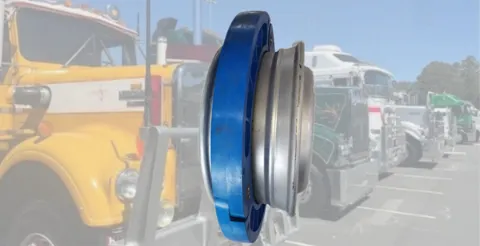
Run Flat Tire Insert systems are becoming an important part of modern fleet safety planning, especially for operators who cannot afford sudden downtime or roadside risk. For fleet managers, safety is not only about brakes, lights, or driver training. It also comes down to one key question: what happens if a tire loses air at the worst possible moment?
A flat tire on a private car is inconvenient. A flat tire on a loaded fleet vehicle can be dangerous, costly, and disruptive. That is why more companies are now viewing advanced insert systems as practical fleet safety solutions instead of optional upgrades.
Why Tire Failure Is a Serious Fleet Risk
The Hidden Cost of Sudden Air Loss
When a tire suddenly loses air, stability drops fast. At highway speed, that instability can lead to loss of control. In urban traffic, it may cause sudden stops and chain reactions. On construction sites, it can block access roads and delay operations.
The visible cost is tire replacement. The hidden cost is much larger: towing fees, missed delivery windows, late penalties, and frustrated clients. For large fleets, even a small number of incidents each year can create serious financial impact.
For emergency or service fleets, the risk goes beyond money. Delays can affect response times and public safety. In those cases, prevention is not just a budget issue. It is a responsibility.
How Run Flat Tire Insert Systems Improve Control
Controlled Mobility After Air Loss
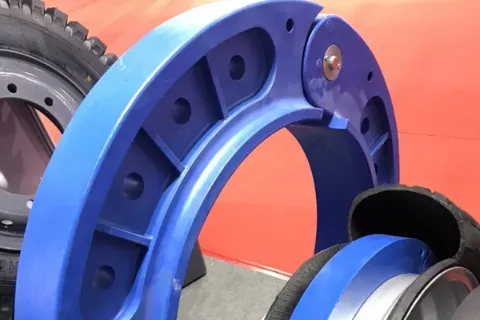
Run flat technology works in a simple but effective way. When air pressure drops, the insert inside the tire supports the vehicle’s weight. Instead of the rim hitting the ground, the insert carries the load and keeps the vehicle stable enough to move safely.
This controlled mobility allows the driver to steer away from traffic, exit a highway, or leave a high-risk zone. The goal is not to continue driving all day on a flat tire. The goal is to stay in control long enough to reach a safe location.
For a deeper explanation of the mechanical process, you can also read our related article, How Run Flat Tire Inserts Keep Vehicles Moving After Sudden Air Loss, which explains how internal support maintains structure even without air.
Structural Protection for Wheels and Tires
Without support, a deflated tire can quickly damage the wheel and sidewall. This often means replacing more than just the tire. A properly matched insert helps protect these components, reducing secondary damage and lowering long-term maintenance costs.
For fleets operating heavier vehicles, high load run flat inserts provide additional strength. Stability under heavy weight is critical for trucks carrying equipment, tools, or protective materials.
Applications Across Different Fleet Types
Commercial Transport Fleets
For delivery and long-haul fleets, uptime is everything. A vehicle stopped on the roadside affects route planning, fuel efficiency, and customer trust. Vehicle safety tires equipped with insert systems reduce the risk of total immobilization and improve operational continuity.
Construction and Industrial Fleets
Work sites often contain sharp debris such as metal scraps and broken materials. The chance of puncture is higher than on normal roads. In these environments, keeping vehicles moving even after air loss prevents job delays and reduces disruption to project schedules.
Emergency and Security Vehicles
For police, rescue, and other mission-based fleets, stopping is not an option during critical tasks. Run flat tire insert systems support continued mobility when it matters most. In these cases, safety and mission continuity go hand in hand.
Selecting the Right System for Fleet Operations
Matching Insert Design to Load and Tire Size
Choosing the correct solution means matching the insert design to the tire size and expected load. Proper fit ensures balanced support and reduces uneven wear.
Evaluating Speed and Distance Capability
Different fleets require different performance levels after air loss. Some only need short-distance mobility to reach a safe stop. Others may require longer controlled travel. Understanding realistic limits helps managers make informed decisions.
Integrating into Maintenance Programs
A successful fleet safety solution must integrate with existing inspection and maintenance schedules. Clear installation procedures, regular checks, and driver awareness training ensure the system performs as expected.
Building a Long-Term Fleet Safety Strategy
Advanced insert systems are not a standalone answer to every tire problem. They are one layer in a broader fleet safety strategy that includes inspection, proper inflation management, and responsible driving practices.
From a cost perspective, prevention is usually less expensive than recovery. Investing in structured fleet safety solutions protects drivers, reduces downtime, and strengthens company reputation.
In simple terms, the objective is control. When air loss happens, you want options instead of panic. For fleet operators, that small margin of control can protect people, equipment, and business continuity.
And in fleet management, staying in control is always better than explaining why you were not.