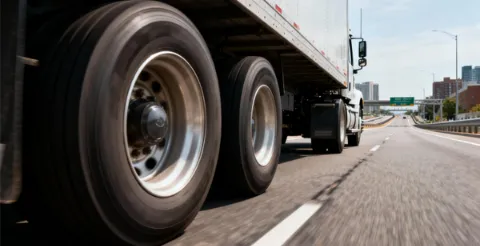
Fuel efficient TBR tires are one of the easiest ways for regional trucking fleets to lower operating costs without changing routes, drivers, or trucks. Fuel is already one of the biggest expenses in regional transport, and even a small improvement in tire-related fuel economy can add up to serious savings over a year.
This article explains how TBR tires fuel economy works in real-world operations, why tire design matters more than many fleet managers think, and how choosing the right tire helps achieve long-term fleet fuel cost reduction.
Why Tires Play a Key Role in Fuel Consumption
When people talk about fuel savings, they often think about engines or driving habits. Tires are usually an afterthought – but they shouldn’t be.
Tires are the only part of the truck that touches the road. Every rotation of a tire creates resistance. The more resistance, the more fuel the engine needs to keep the truck moving. Over thousands of kilometers, that resistance becomes a fuel bill.
For regional trucking tires that operate daily on fixed routes, tire choice directly affects:
- Fuel consumption per kilometer
- Overall operating cost
- Vehicle stability and safety
Choosing the right TBR tire is not about chasing the lowest price – it is about reducing cost per mile.
Rolling Resistance Explained for TBR Tires
Rolling resistance is the force that works against a tire as it rolls on the road. Lower rolling resistance means the tire rolls more easily, requiring less energy and less fuel.
Urban vs Regional Delivery Routes
Urban delivery routes involve frequent stops, low speeds, and constant acceleration. Regional routes usually combine city roads with longer highway stretches.
For regional operations, rolling resistance truck tires make the biggest difference during steady-speed driving on highways. At these speeds:
- Lower rolling resistance reduces engine load
- Fuel consumption becomes more stable
- Long-distance savings add up quickly
This is why TBR tires designed for regional transport focus heavily on rolling resistance balance – not just durability.
Tread and Compound Choices That Save Fuel
Tread design and rubber compound are where fuel efficiency really comes to life.
Fuel-efficient TBR tires often feature:
- Optimized tread patterns that reduce road friction
- Shallower, well-designed grooves that still maintain grip
- Advanced rubber compounds that flex less during rotation
Less flexing means less energy loss. And less energy loss means better fuel economy.
However, fuel efficiency should never come at the cost of safety or mileage. The goal is balance – tires that roll smoothly but still last long enough to deliver value.
Long-Term Cost Benefits for Regional Fleets
Fuel savings are only part of the story. Over time, the right TBR tire choice improves overall fleet economics.
Tire Wear and Fuel Efficiency Over Time
As tires wear, rolling resistance often increases. Poor-quality tires may start efficient but lose performance quickly.
High-quality fuel-efficient TBR tires are designed to:
- Maintain stable rolling resistance as they wear
- Deliver consistent fuel economy throughout their service life
- Support retreading strategies without major performance loss
This consistency helps fleet managers predict costs more accurately and avoid unpleasant surprises.
Regional Trucking Needs Balanced Tire Solutions
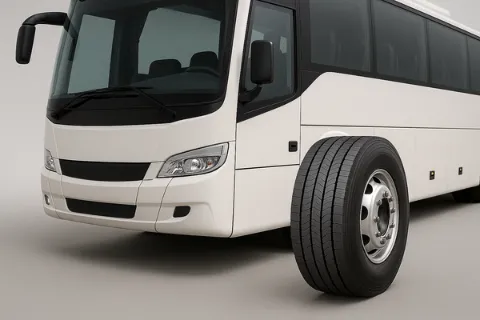
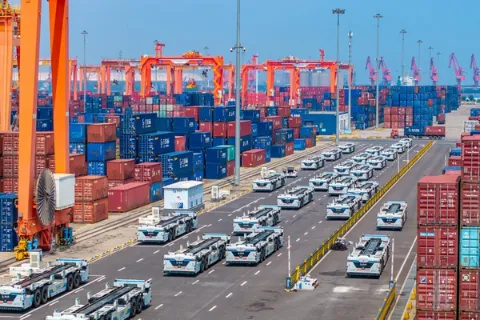
Regional fleets rarely run on perfect highways all day. Mixed road conditions – urban streets, secondary roads, and highways – require tires that balance fuel efficiency, durability, and grip.
That’s why many fleets operating in developing or emerging markets look for versatile solutions. You can explore this topic further in our related article: [TBR Tire Solutions for Mixed Road Conditions in Emerging Markets]
This internal article provides additional insight into how TBR tires perform when road quality and operating conditions vary widely.
Conclusion: Fuel Efficiency Starts Where Rubber Meets the Road
Fuel efficient TBR tires are not a marketing trend – they are a practical tool for cost control. For regional trucking operations, the right tire choice reduces fuel use, stabilizes operating costs, and improves long-term fleet performance.
By understanding rolling resistance, tread design, and wear behavior, fleet managers can make smarter decisions that go beyond purchase price. Because when fuel costs rise, every rotation matters – and the right TBR tire helps keep those costs under control.