
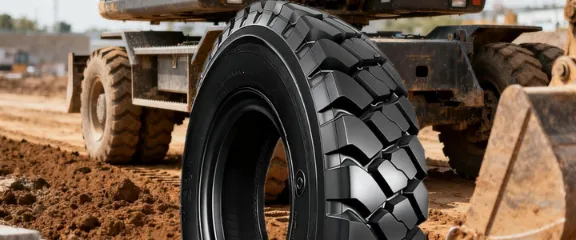
Excavator tires rarely get the spotlight, but they quietly determine how smoothly your entire jobsite runs. Instead of focusing only on puncture resistance, this article looks at how tires shape real-world productivity, digging performance, and overall machine efficiency.
How Excavator Tires Affect Digging Efficiency
Tire design plays a surprisingly direct role in digging speed. High traction tread patterns grip the ground more effectively, helping the bucket cut into soil with less slipping and fewer wasted movements.
A well‑matched tire can shorten each digging cycle. When every scoop takes less time, the total number of cycles completed in a day increases – and so does your project’s pace.
Why Tire Footprint and Ground Pressure Matter
Ground pressure is a major factor in excavator stability. Wider tires create a larger footprint, which lowers ground pressure and helps the machine stay on top of soft, loose, or wet terrain instead of sinking into it.
Less sinking means fewer recovery delays and a more stable platform for precise digging. A stable machine digs faster, cleaner, and with fewer corrections.
How Temperature Influences Tire Performance
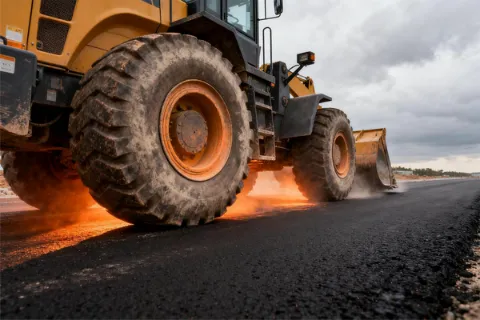
Heat is one of the biggest enemies of tire performance. When temperatures rise, rubber softens, traction drops, and wear accelerates. The machine ends up working harder while achieving lessnever a good combination.
Different jobsites introduce different heat challenges. Asphalt paving radiates intense heat upward, while summer quarry operations can feel like working inside an oven. Both conditions shorten tire life if the tire isn’t designed for high temperatures.
Modern tires address heat with features such as:
- Heatdissipating grooves that improve airflow
- Rubber compounds engineered to resist softening
- Reinforced sidewalls that stay stable even when the tread heats up
If your jobsite feels like it could fry an egg on the ground, choosing a high heat resistance tire is a smart investment.
Choosing the Best Hybrid Tires for Mixed On Road and Off Road Use
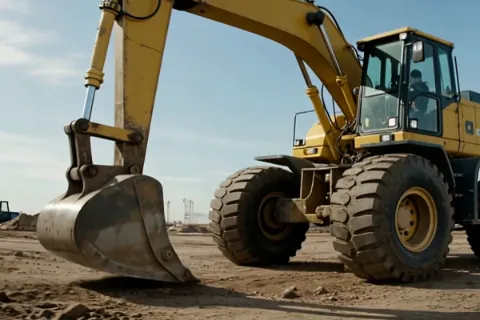
Excavators often travel between paved roads and rugged jobsites, which makes tire selection a balancing act. Hybrid tread patterns are designed for this exact challenge.
When evaluating hybrid tires, consider:
- Tread depth: Medium depth balances comfort and grip
- Tread angle: Flatter, closer lugs reduce noise and vibration
- Overall balance: Enough traction for dirt, enough smoothness for pavement
Choose a road biased tire if most travel happens on hard surfaces. Choose an off road biased tire if the machine spends most of its time in mud, gravel, or uneven terrain.
How Rolling Resistance Influences Fuel Efficiency
Rolling resistance has a direct impact on fuel consumption. Lower resistance means the engine needs less power to move the machine, which reduces fuel costs – especially on large earthmoving projects.
Correct tire pressure is essential. Under‑inflated tires increase rolling resistance and burn more fuel. Proper inflation keeps the machine efficient and your fuel bill under control.
The Growing Role of Smart Tire Monitoring Systems
Tire Pressure Monitoring Systems (TPMS) are becoming increasingly common in heavy equipment. They provide real time pressure and temperature data, allowing operators to make quick adjustments.
Maintaining optimal pressure prevents flats, improves efficiency, and reduces downtime. Smart monitoring also supports predictive maintenance, helping you avoid unexpected failures.
Practical Maintenance Tips for Peak Tire Performance
A few simple habits can dramatically improve tire performance and lifespan:
- Check tire temperature after daily operation
- Watch for unusual hot spots
- Avoid unnecessary highspeed travel and sharp turns
- Remove packed mud from treads to restore traction
- Adjust operating technique based on ground conditions
Small steps like these help keep your machine running efficiently day after day.
Conclusion
Excavator tires are far more than a supporting component – they directly influence digging speed, fuel efficiency, and jobsite productivity. Choosing the right tire and maintaining it properly protects your investment and keeps your projects moving smoothly.
If you want a deeper look at selecting tires for different terrains, you can explore our guide How to Choose the Right Excavator Tires for Quarry and Construction Work.
FAQ
Before you head back to the jobsite, here are answers to some common questions operators often ask:
- Do excavator tires really affect fuel efficiency?
Yes. Tires with high rolling resistance force the engine to work harder, which increases fuel consumption.
- What tire pattern works best for mixed on‑road and off‑road use?
A hybrid tread pattern is ideal because it balances smooth travel on pavement with reliable traction on dirt and gravel.
- How does temperature affect excavator tire traction?
High heat softens rubber, reducing grip and accelerating wear—especially on hard surfaces.
- Is installing a TPMS system worth it?
Absolutely. TPMS helps maintain perfect tire pressure, reduces downtime, and improves overall efficiency.
- How do tire footprint and ground pressure influence digging efficiency?
A larger footprint lowers ground pressure, improving stability on soft ground and allowing faster, more accurate digging.