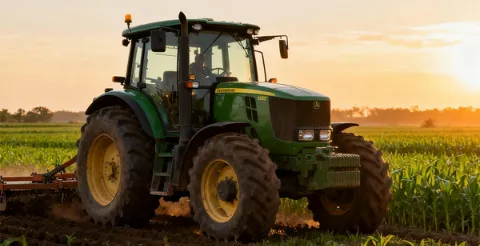
Modern farming is no longer just about bigger machines and stronger engines. It’s also about what touches the ground. Agricultural tires play a much bigger role than many people expect, especially when it comes to reducing soil compaction and protecting crops. For farmers and dealers doing pre-purchase research, understanding how the right tire choice affects soil health, yield, and long-term productivity can save both money and headaches.
Soil may look strong, but it’s surprisingly easy to damage. Once compacted, it’s hard to fix – and crops always pay the price.
Why Soil Compaction Is a Hidden Threat to Crop Yield
Soil compaction happens when heavy equipment presses soil particles too closely together. This reduces air spaces in the soil, making it harder for roots to grow, water to drain, and oxygen to move.
The result?
- Shallow root systems
- Poor nutrient absorption
- Water pooling or runoff
- Lower yields season after season
What makes soil compaction especially dangerous is that it often happens quietly. You may not see it right away, but crops definitely feel it. Many farmers focus on engines, implements, and timing, but forget that tires are the first contact point between machines and soil.
Once deep compaction sets in, fixing it can require subsoiling, extra fuel, extra labor, and extra stress. Prevention is always cheaper than repair.
How Agricultural Tires Influence Ground Pressure
Ground pressure is the key link between tires and soil compaction. In simple terms, it’s how much weight is applied to the soil per square inch.
Agricultural tires designed for field work aim to:
- Spread machine weight over a larger area
- Reduce pressure on the soil surface
- Maintain traction without digging deep ruts
This is where soil compaction tires and low-pressure designs come into play. A well-chosen tire can significantly reduce how deeply and permanently soil is compressed.
Think of it like wearing snowshoes instead of regular boots. Same person, same weight – very different result.
Key Tire Factors That Reduce Crop Damage
Not all farm tires are created equal. The following factors directly affect crop damage prevention and soil protection.
Tire footprint and inflation pressure
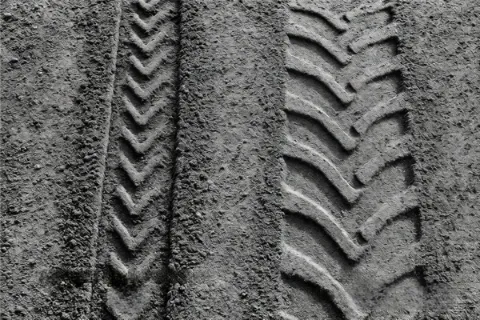
The tire footprint is the area of the tire that touches the ground. A larger footprint spreads the load and lowers ground pressure.
Key points:
- Wider tires or larger diameters increase contact area
- Proper inflation pressure is just as important as tire size
- Over-inflated tires shrink the footprint and increase compaction
Using low ground pressure tires at correct inflation levels allows machines to “float” over the field instead of pressing into it. Many modern agricultural tires are designed to operate safely at lower pressures without losing stability.
Simple rule: lower pressure + larger footprint = happier soil.
Radial construction and flexibility
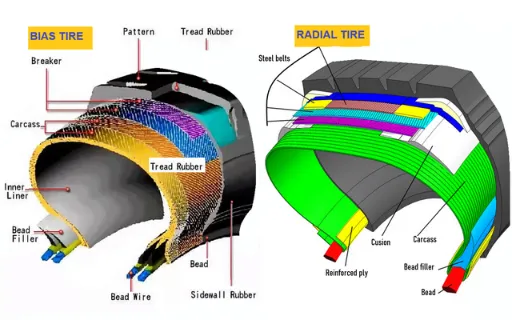
Radial tires have become the preferred choice for most modern agricultural machines – and for good reason.
Compared to bias tires, radial agricultural tires offer:
- Greater sidewall flexibility
- More even pressure distribution
- Longer, wider footprints under load
This flexibility allows the tire to adapt to uneven field surfaces while keeping pressure consistent. Less bouncing, less digging, and less stress on both soil and crops.
If you want a deeper comparison, see our internal article:
Bias and Radial Farm Tires Compared for Today’s Agricultural Machines
Understanding this difference is essential during farm tire selection, especially for tractors, harvesters, and spreaders that frequently operate on soft ground.
Managing field traffic and load
Even the best tires can’t fix bad traffic planning.
Smart farmers and operators combine good tire choices with better field management:
- Reduce unnecessary passes
- Use controlled traffic patterns
- Match tire load ratings to real working conditions
Overloading tires increases pressure, even if the tire itself is well designed. Choosing agricultural tires that match both machine weight and real-world usage helps protect crops from hidden damage.
Remember: soil remembers every pass, even if you don’t.
Long-Term Benefits for Farm Productivity
Reducing soil compaction isn’t just about one season’s yield. It’s a long-term investment in land performance.
Benefits of proper agricultural tire selection include:
- Healthier root systems
- Improved water infiltration
- Better nutrient efficiency
- More consistent yields over time
- Lower fuel consumption due to reduced rolling resistance
There’s also a financial upside. Less compaction means fewer corrective operations, less fuel spent fixing problems, and longer tire life thanks to proper loading and pressure management.
For dealers and importers, offering the right soil-friendly tire solutions builds trust. Farmers may not talk about tires every day, but they absolutely remember who helped protect their land.
Final Thoughts: Tires That Protect More Than Machines
Agricultural tires do much more than move equipment from point A to point B. They protect soil structure, support crop health, and influence farm profitability for years.
When farmers choose tires based on footprint, construction, and correct inflation – not just price – they reduce crop damage and avoid costly soil problems. And when dealers understand these technical details, they can offer solutions instead of just products.
Good soil grows good crops.
Good tires help keep soil good.
Simple idea – but very powerful.