
Agricultural tires are the quiet heroes of seasonal farm work, carrying heavy loads, gripping soft soil, and rolling long hours without asking for a break. From spring planting to fall harvest, they face changing weather, changing ground conditions, and changing workloads. And unlike people, they don’t get to complain about it.
Farming is seasonal by nature. One month the field is wet and soft. A few months later, it is dry and hard. During harvest, machines run almost nonstop. That is why tire selection is not just about size. It is about building a setup that can handle pressure all year long without compromise.
Why Seasonal Workloads Put Unique Pressure on Tires
Spring Planting – Soft Soil, High Expectations
Spring fields often look calm on the surface but hide soft ground underneath. Heavy machines can easily sink or compact the soil. Too much ground pressure reduces crop yield later.
Wider tires with good flotation help spread weight more evenly. Deep, well-shaped lugs provide grip without digging trenches into the field. This balance between traction and soil care is critical. If traction in wet fields is your main concern, you may also find useful insights in our related article, How Proper Farm Tire Selection Improves Traction in Wet Field Conditions, where we focus specifically on performance in high-moisture soil.
Summer Operations – Heat and Long Working Hours
Summer means longer days and longer shifts. Equipment moves between field and storage again and again. Heat builds up inside the tire as it flexes under load.
A strong casing structure helps reduce heat stress. Good rubber compounds resist cracking when temperatures rise. Stability during transport is also important, especially when machines move at higher speeds on rural roads. Tires must stay firm and predictable, not soft and unstable.
Harvest Season – Heavy Loads, No Time to Stop
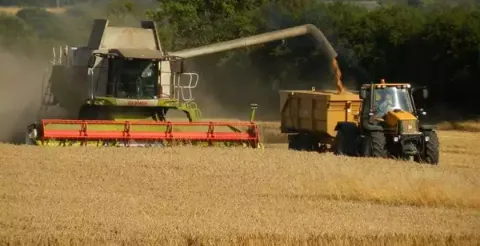
Harvest is the busiest time of year. Combines carry full grain tanks. Tractors pull loaded trailers. Everything is heavier. Everything moves faster. And there is very little room for downtime.
Tires during harvest must handle higher load indexes and repeated turning in tight spaces. Strong sidewalls support weight during sharp maneuvers. Resistance to stubble damage is also important, because sharp crop residue can shorten tire life quickly.
Structural Features That Support All-Season Performance
Reinforced Carcass Construction
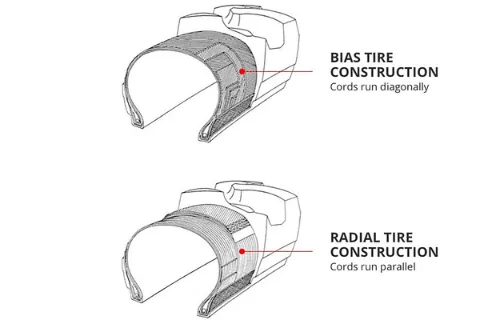
A multi-layer casing gives the tire its backbone. It supports load, resists impact, and keeps the tire shape stable under torque. During heavy pulling tasks, this internal strength prevents excessive deformation. Less deformation means less heat build-up and longer service life.
Optimized Tread Design
Tread geometry is more than just appearance. Lug depth and spacing affect traction, self-cleaning ability, and wear rate.
In muddy fields, open spacing allows soil to release quickly. On drier ground, balanced lug angles improve grip without causing vibration. A well-designed tread performs in both field and transport situations.
Durable Rubber Compounds
Seasonal changes mean temperature swings. Rubber must stay flexible in cooler mornings and remain stable during hot afternoons. Advanced compounds help reduce cracking, chipping, and stubble damage. Over time, this improves farm tire durability and lowers replacement costs.
Balancing Field Performance and Road Efficiency
Many farms require equipment to move between fields that are several kilometers apart. This creates a mixed working environment: soft soil in the field, hard pavement on the road.
Tires designed only for deep mud may wear too fast on asphalt. On the other hand, road-focused patterns may struggle in loose soil. A hybrid design offers a practical middle ground.
Inflation management also plays a key role. Slightly lower pressure can increase footprint in the field, reducing soil compaction. Higher pressure may be better for road transport. Regular checks prevent both over-inflation and under-inflation, which can lead to uneven wear.
Matching Tires to Equipment Type
Not every machine works the same way, so not every tire should either.
Tractor tires must be versatile. They handle planting, spraying, tillage, and transport. Radial construction often provides better comfort and ground contact for multi-season use.
Harvester tires require higher load capacity because grain tanks add significant weight. Stability and strong sidewalls are essential during full-load operation.
Implement and trailer tires benefit from wide footprints. Flotation reduces soil damage during harvest when loads are heaviest.
Choosing the right category ensures that each machine performs safely and efficiently throughout the year.
Long-Term Value Through Seasonal Planning
Tire planning should not happen only when something goes wrong. Pre-season inspections help identify cuts, uneven wear, or pressure issues before peak workloads begin.
Proper storage during off-season months protects rubber from UV exposure and moisture damage. Rotating tires when possible can also balance wear patterns.
Over multiple seasons, these small steps make a big difference. Fewer emergency replacements mean less downtime during critical windows. Better rolling efficiency may also support fuel savings. In simple terms, smart tire planning supports farm productivity.
Conclusion
Agricultural tires carry more than weight. They carry responsibility across planting, growing, and harvest seasons. Each season brings new challenges – soft soil, heat, heavy loads, and long hours. The right structural design, tread pattern, and load capacity allow tires to adapt without compromise.
By understanding seasonal demands and planning ahead, farms can reduce downtime, protect soil, and extend tire life. In the end, good tires do not just support machinery. They quietly support the entire farming operation, season after season.