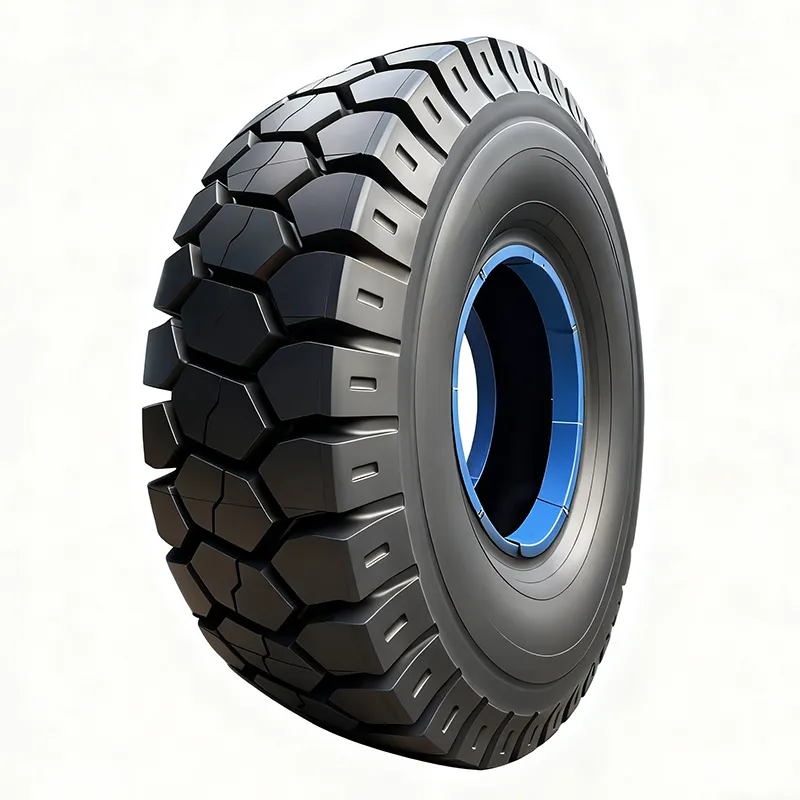
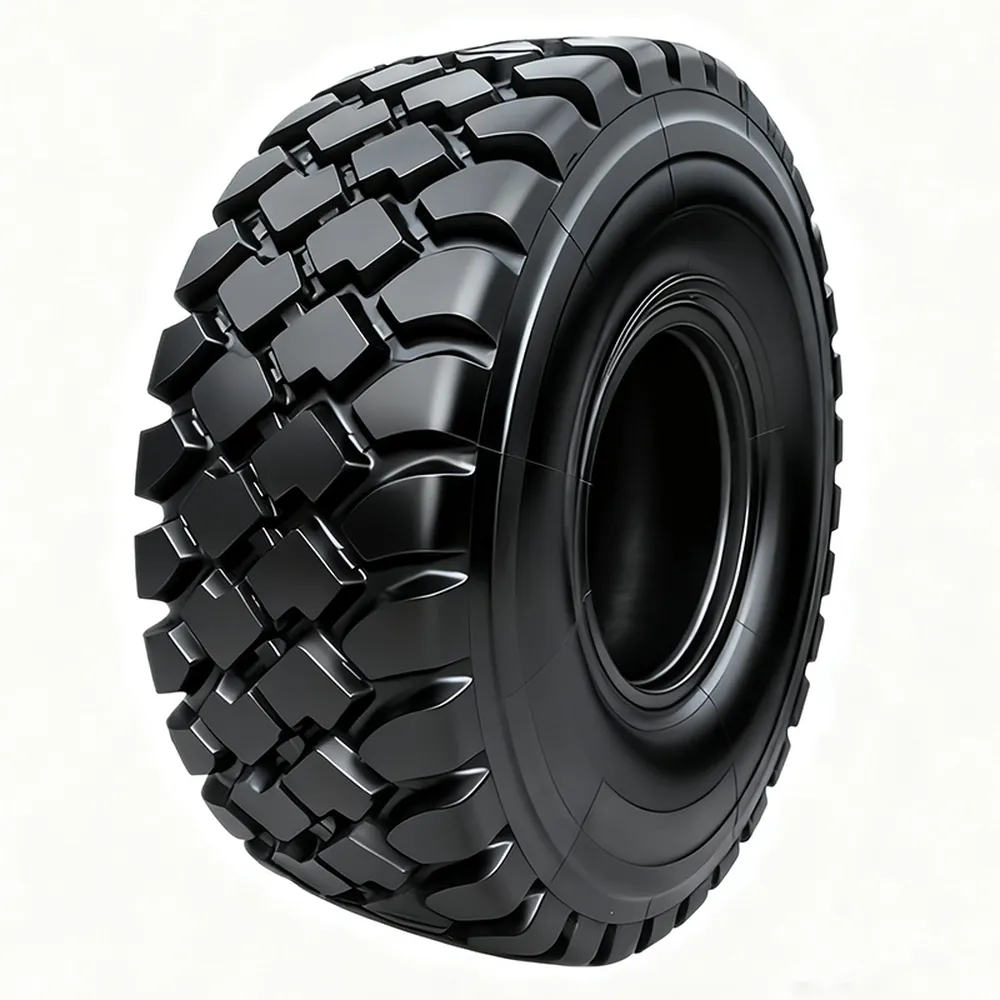
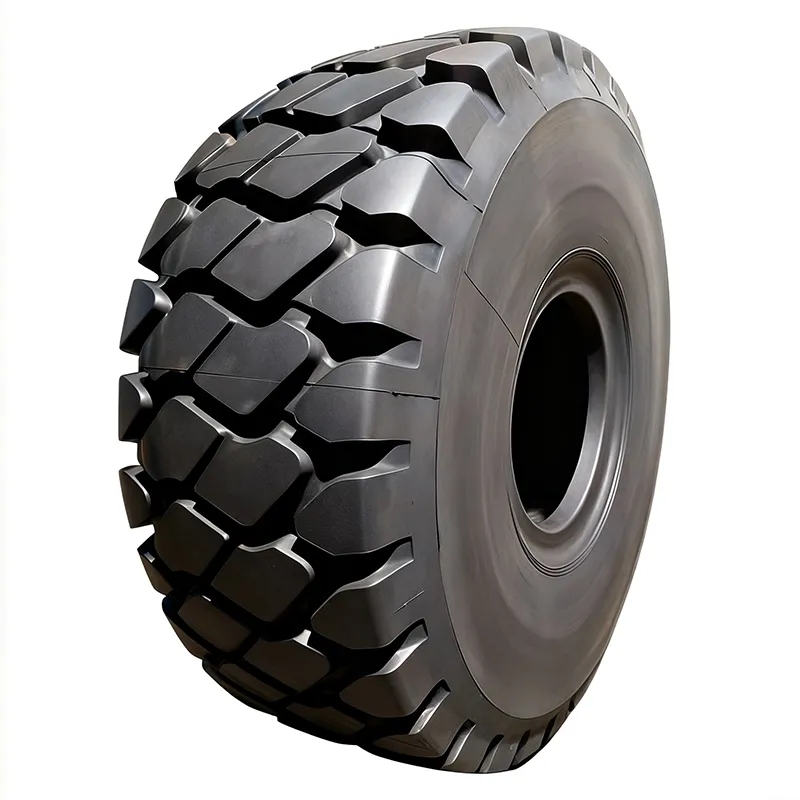
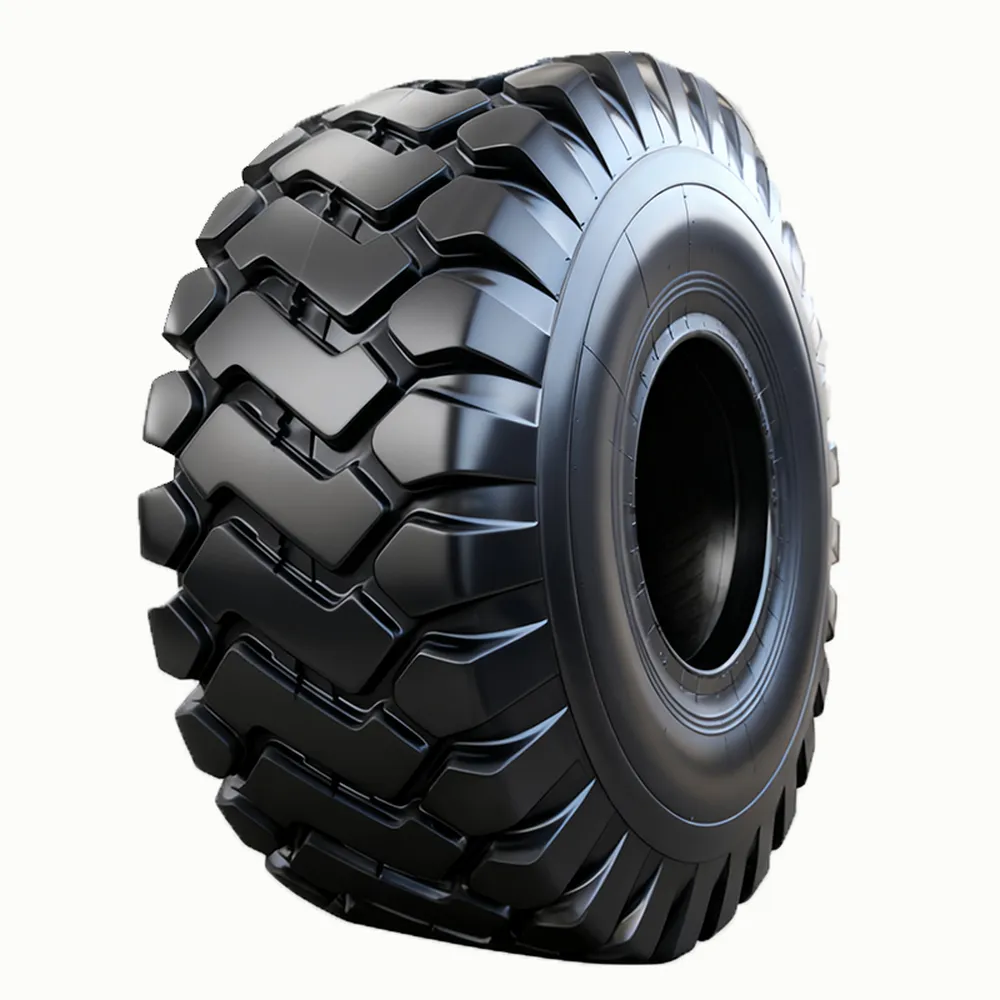
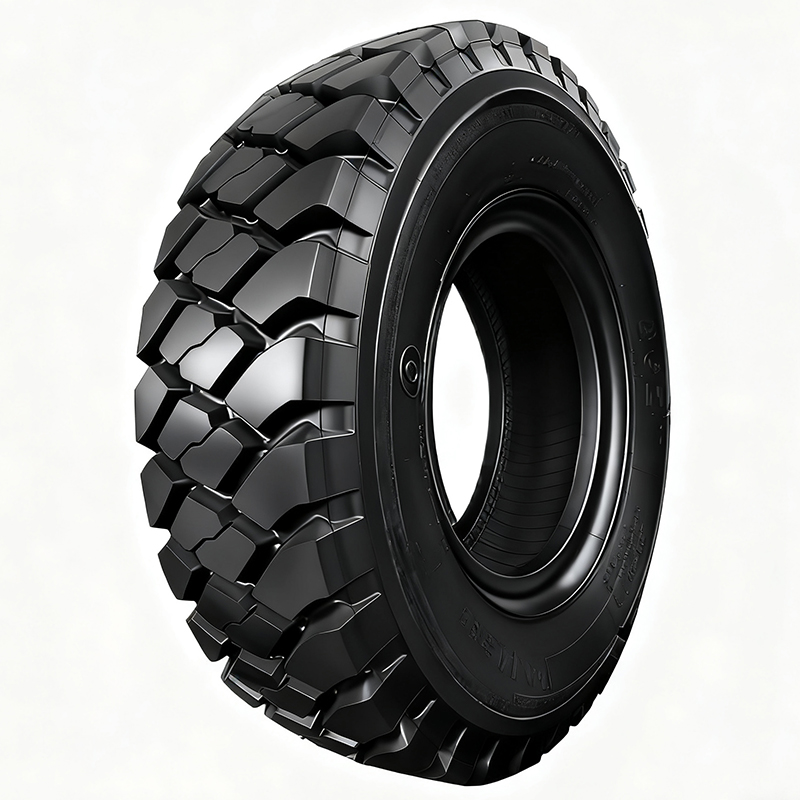
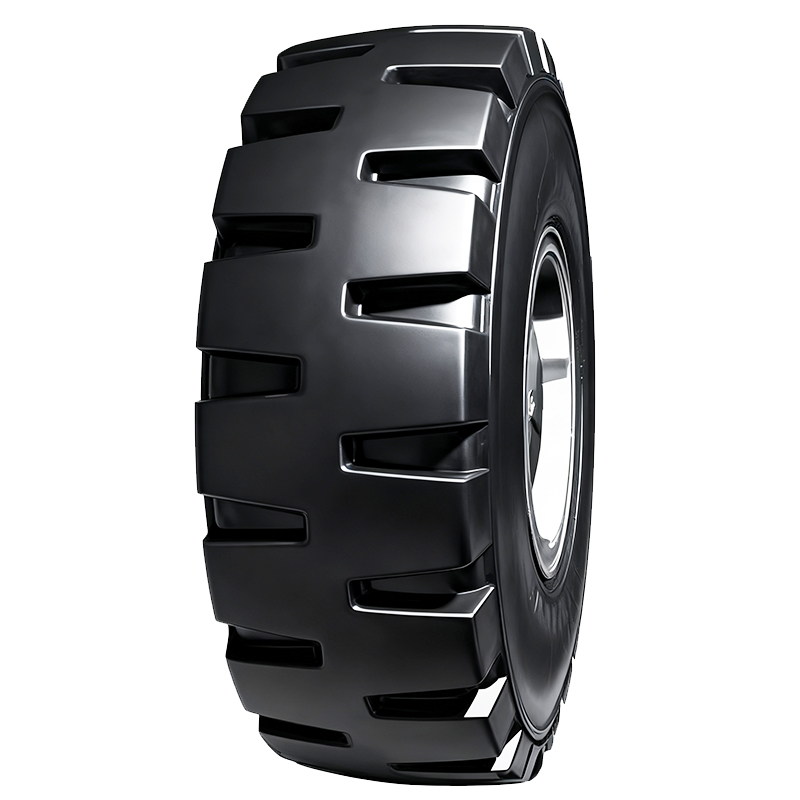
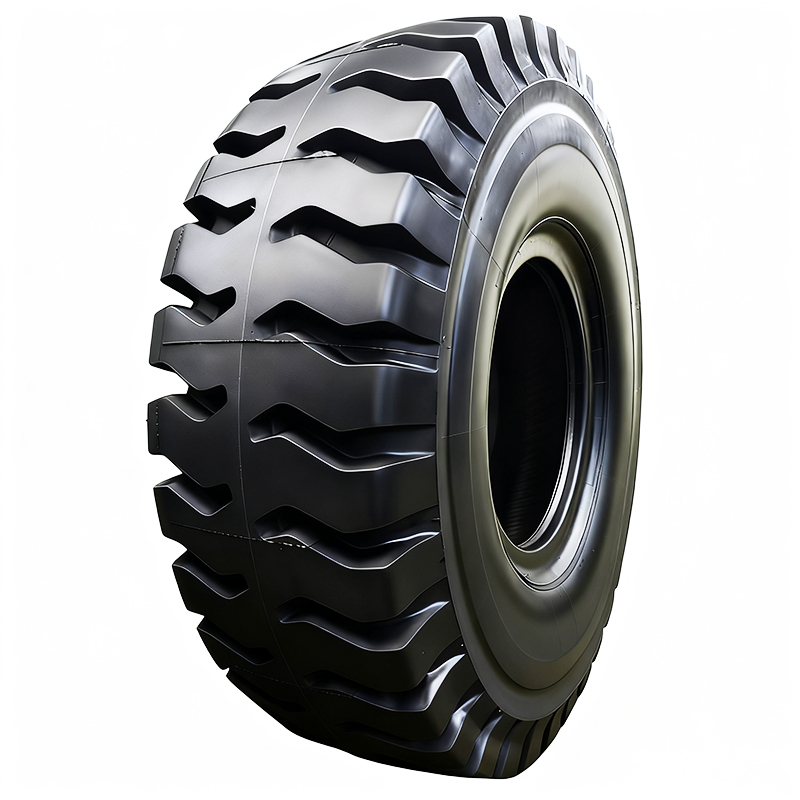
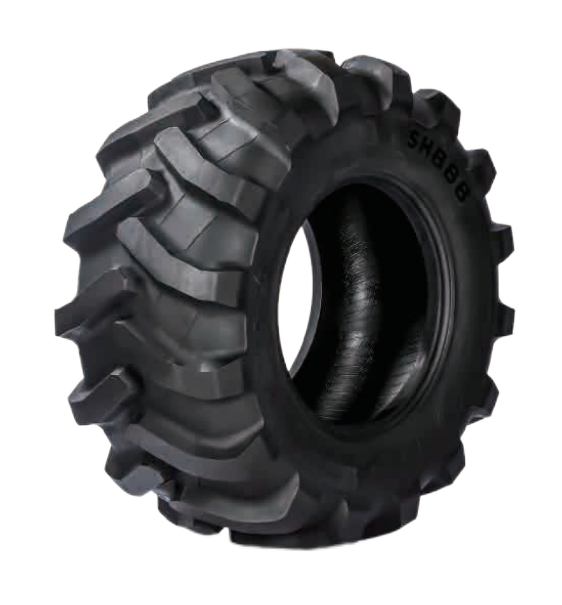
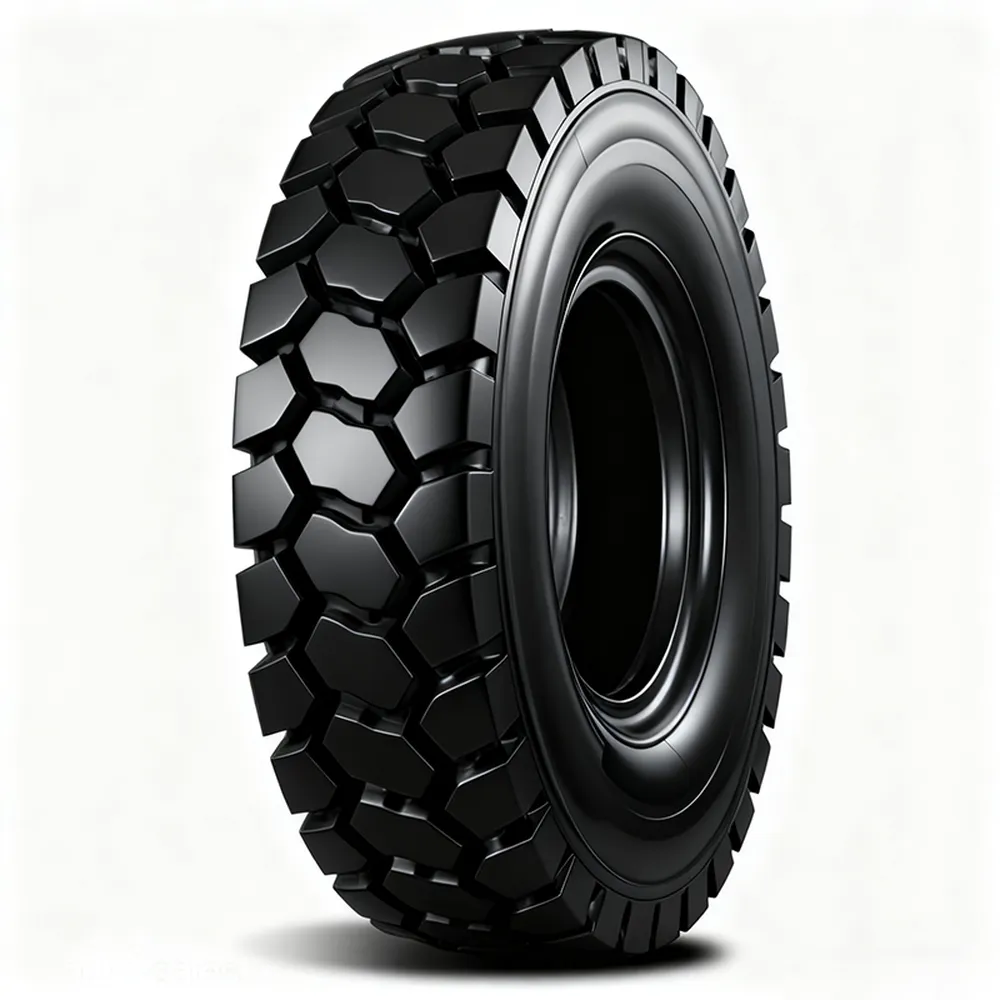
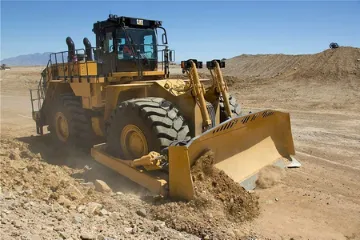
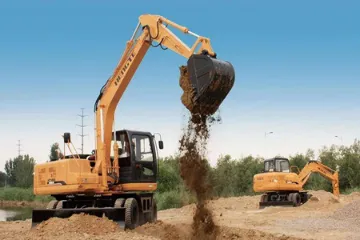
Engineered for Tough Conditions: OTR tires built for the toughest environments, confidently handling rocks, mud, and heavy loads
Core of Extreme Durability: Tires combines a reinforced steel construction with premium compounds to deliver exceptional cut and wear resistance, ensuring structural integrity mile after mile.
Result: Reliable & Cost-Effective Performance : dependable traction in off road conditions with a lower cost of equipment through extended service life.
OTR tires are off-the-road tires designed for heavy equipment used in construction, infrastructure, and industrial work where surfaces are rough and terrain is uneven. They support loaders, graders, wheel loaders, excavators, and other machinery in demanding sites.
Why Choose Our OTR Tire
Advantages
Deep, aggressive tread blocks and optimized carcass design deliver strong traction and stability on rocks, dirt, and uneven ground, boosting work efficiency and safety in harsh environments.
Loader tires are same, but loader rim can be different. Even if the tire size has the same numbers, the rim might be different.
Think of it like shoes. Two people might wear the same shoe size, but the shoes can have different widths and different laces.
For loader rims, the main differences are:
Rim Width: Rims can be wide or narrow. The tire needs the correct rim width to fit properly and be safe.
Bolt Holes: The holes used to fix the rim to the machine are different. The number, size, and pattern of these holes change for different loader brands and models.
Rim Design: Some rims are one single piece. Others are made of multiple parts. These different types often cannot be swapped.
So for safety and good performance, you must always use the exact rim specified for your loader and tire model. Do not choose a rim only by the tire size.
What is the difference code of G2, L2, E3, E4, L5, L5S means in OTR tires?
The TRA (Tire and Rim Association) codes such as G2, E3, E4, L4, L5, and L5S are international standards used to classify OTR tires based on their application and tread depth:
Letter Prefix: Indicates the primary equipment type
G = Grader
E = Earthmover
L = Loader
Number Suffix: Refers to tread depth – a higher number indicates a deeper tread
Example:
L3 has deeper tread than L2
E4 has deeper tread than E3
Combined Codes:
Codes like G2/L2 indicate suitability for both Graders and Loaders.
Similarly, E3/L4 tires are designed for Earthmovers and Loaders.
Special Designation:
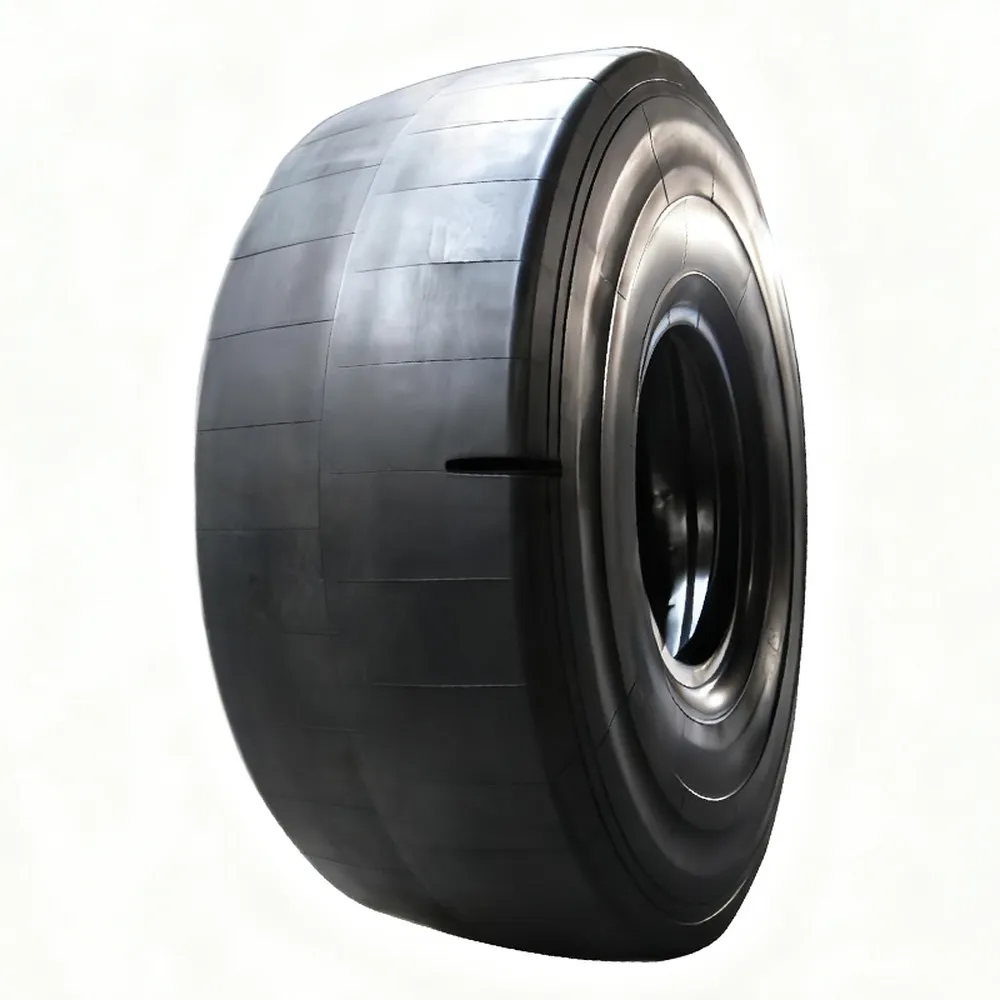
L5S denotes a smooth-tread tire specifically designed for underground mining applications, offering enhanced stability and minimal surface disturbance.
For optimal performance and safety, always match the TRA code to your equipment and working conditions.
Do OTR tires need professional installation?
Yes, OTR tires require professional installation due to their size, weight, and technical complexity. Proper mounting and demounting ensure correct bead seating, inflation safety, and alignment with the rim – critical for preventing operational failures, air leaks, or accidents. Professional service also includes torque checks, pressure validation, and compatibility verification. We strongly recommend expert installation to maximize tire performance and safety.