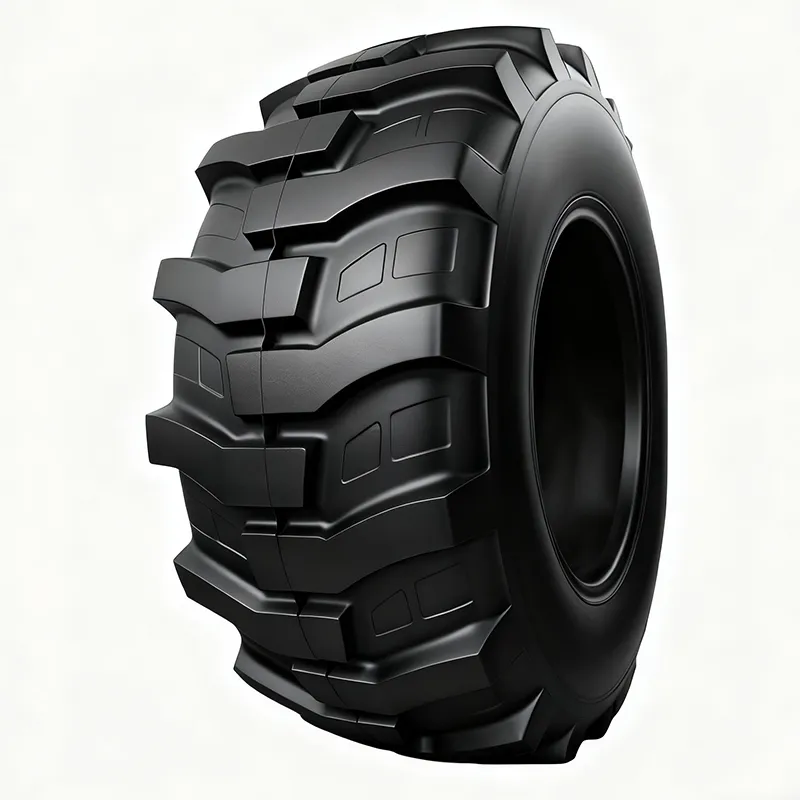
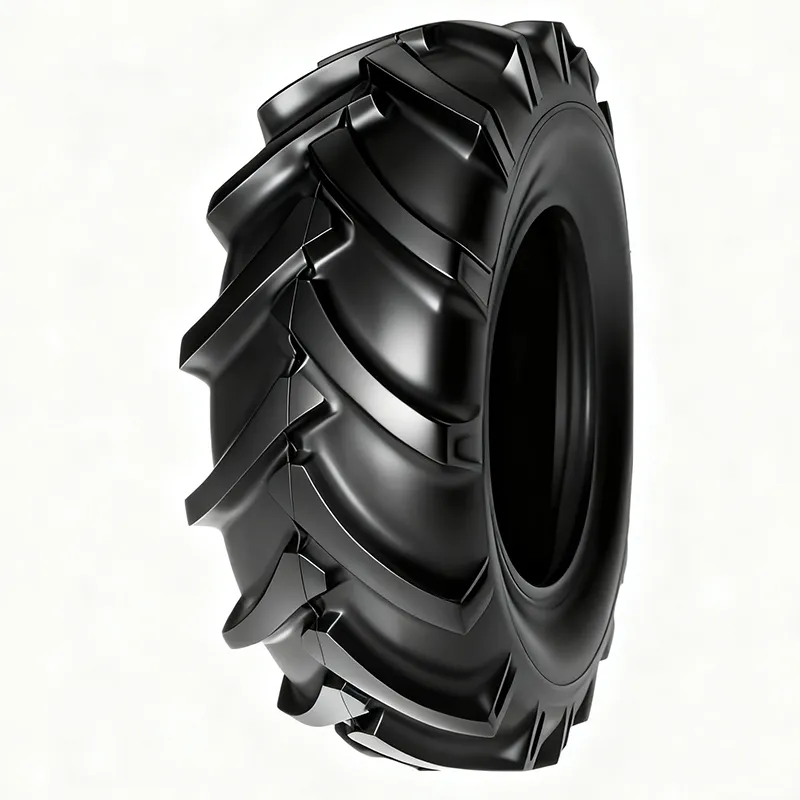
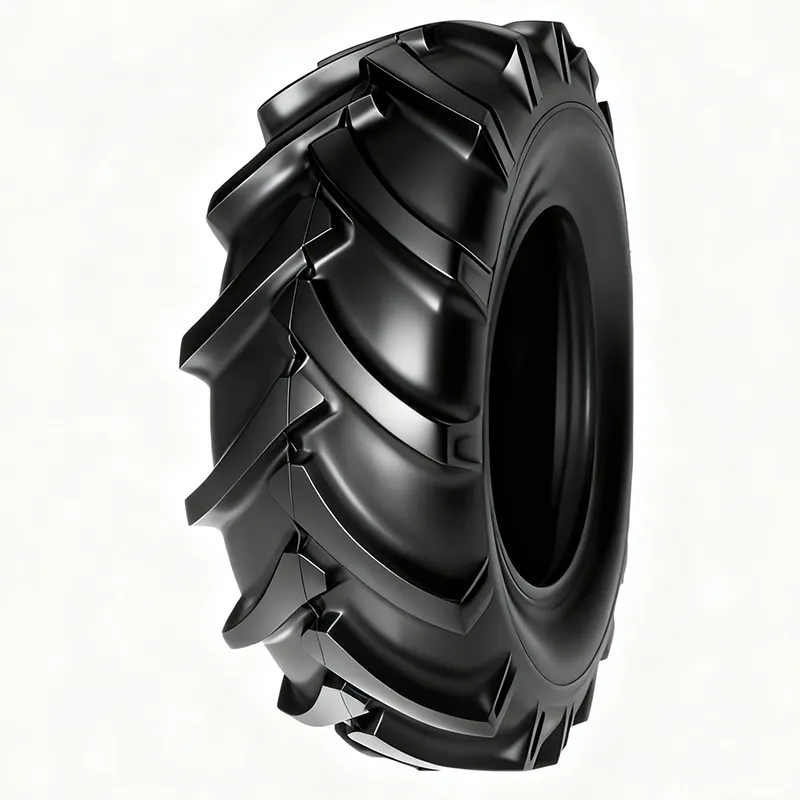
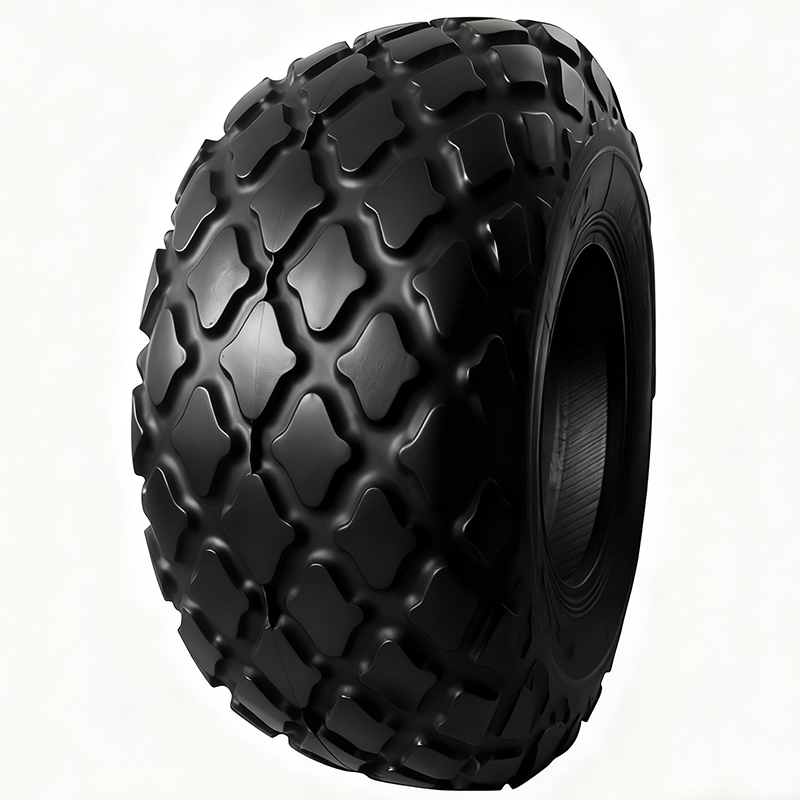
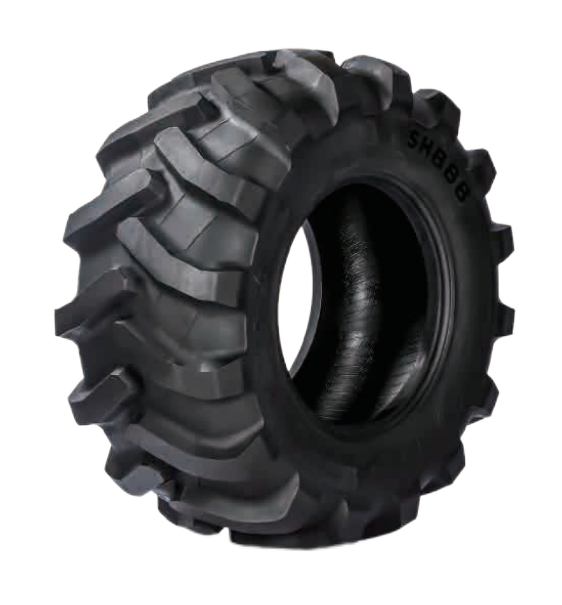
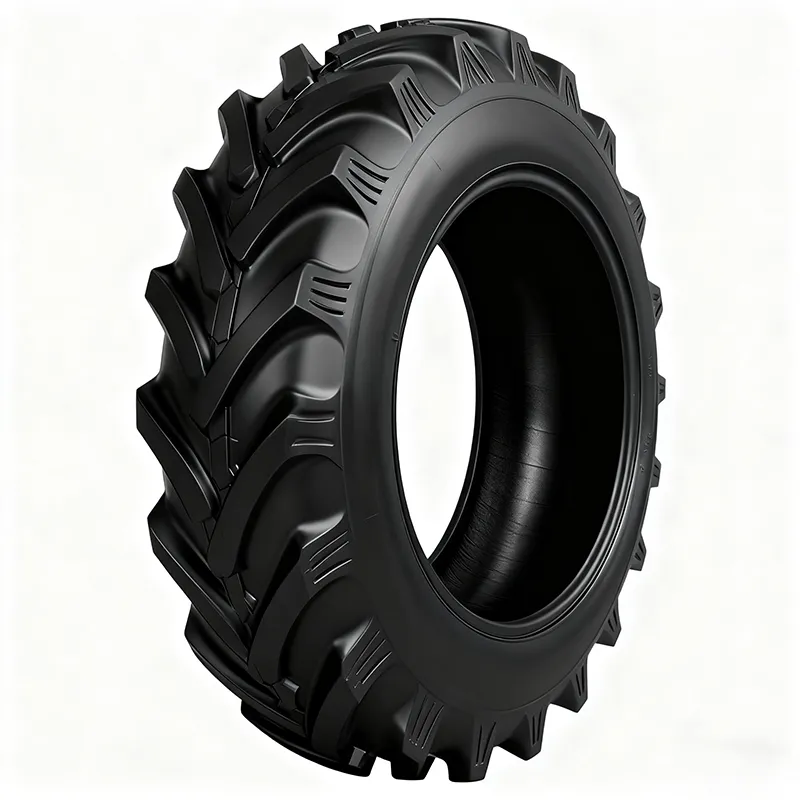
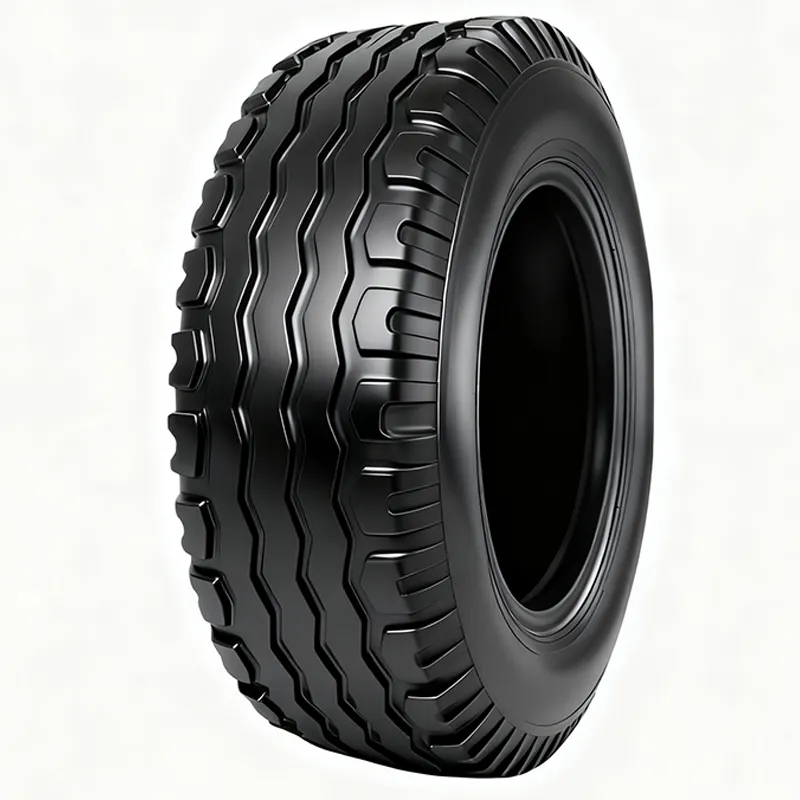
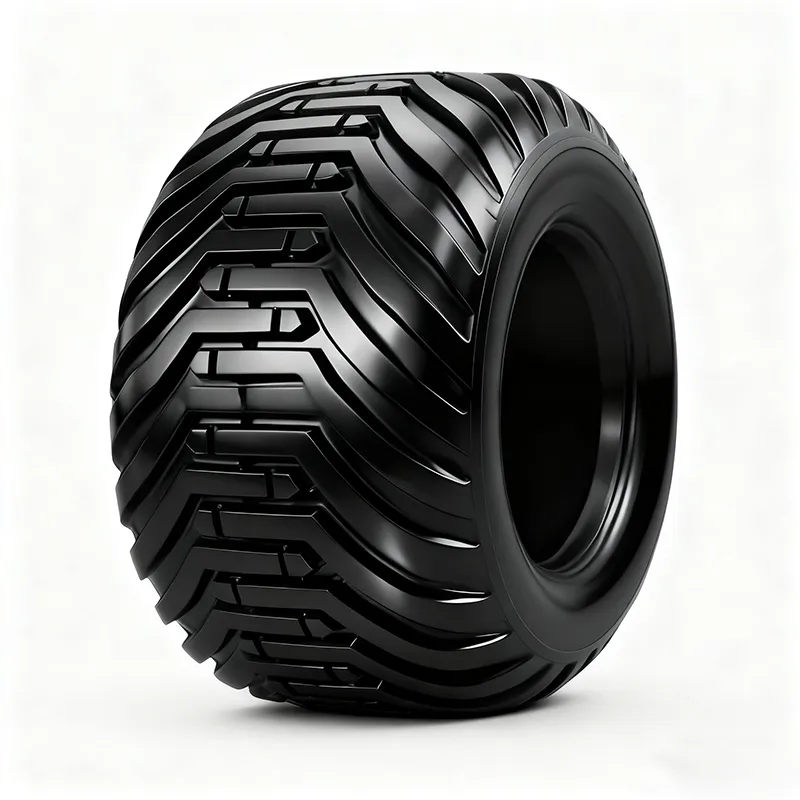
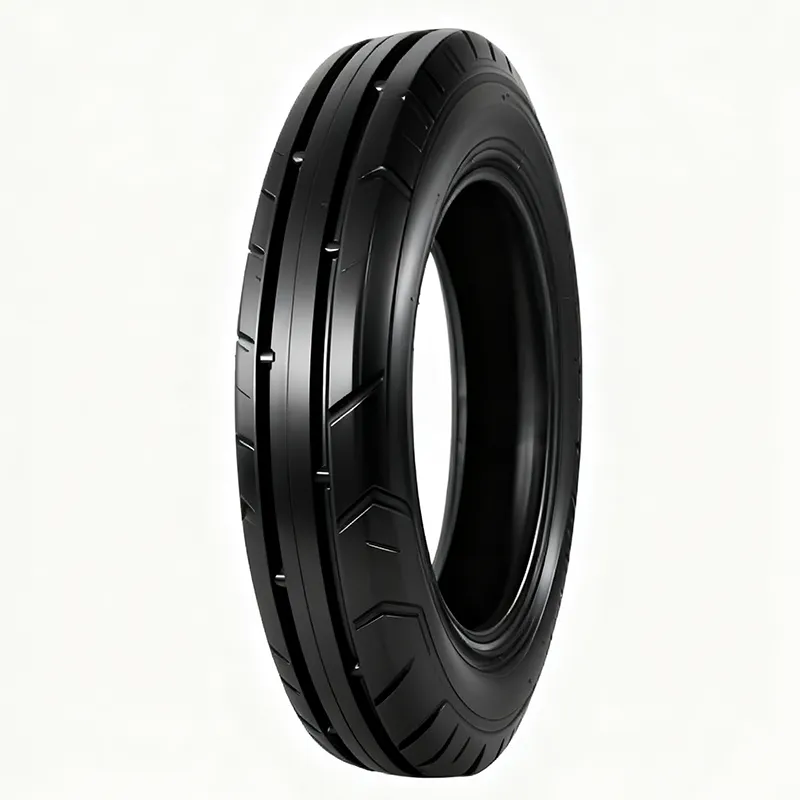
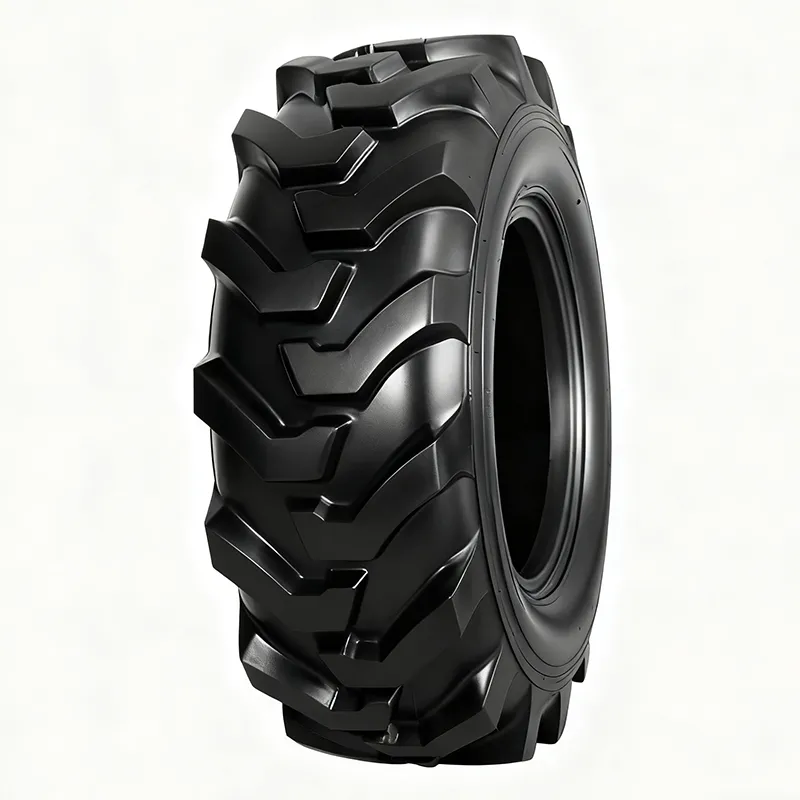
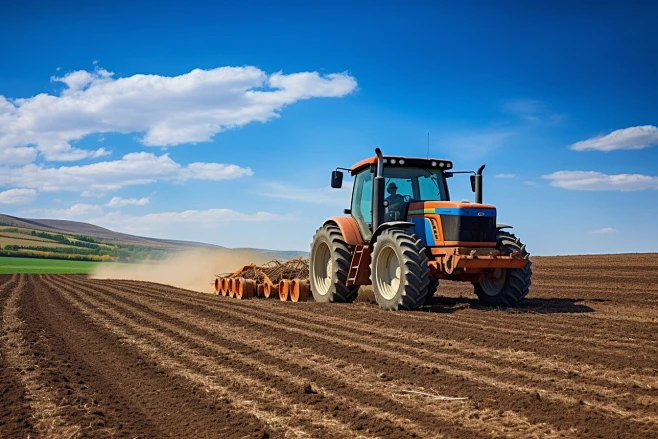
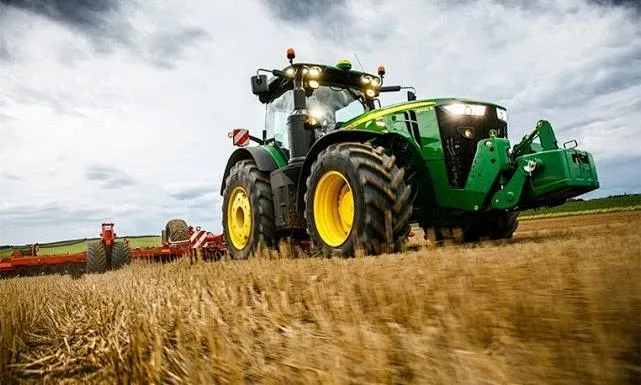
Built for the field. This tire grips firmly to provide the strong traction you need, yet treads lightly to gently protect valuable soil from compaction, safeguarding your land’s health and yield potential.
AGR tires is tires mainly working in the field to help farm and harvest, AGR tires represent agriculture tires , agricultural tires, tractor tires. Designs for John Deer brands equipment
Why Choose Our AGR Tire
Advantages
Agriculture tires with full ranges from 12 inch to 50 inch, strong carcass and high percentage of natural rubber to assure long working hours, mix sizes in a container with fast delivery and competitive price
Agricultural tires with radial and bias constructure for your choice to satisfy your different requirements, OEM and ODM are both welcome with affordable price and 3 years quality warranty
What does ply rating mean in diagonal or cross-ply tires?
The term “ply rating” (PR) refers to the strength and load-carrying capacity of bias-ply tires. For instance, a 12PR tire is stronger and can support heavier loads than a 10PR tire.Originally, the ply rating indicated the number of cotton layers used in the tire’s construction. Today, it represents the tire’s equivalent strength rather than the actual number of plies. For example, a 12PR tire made with modern materials such as nylon has the same strength as a tire made with 12 cotton plies.
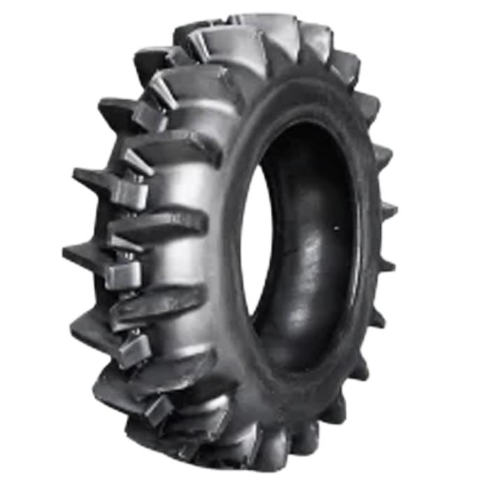
What kind of tire tread do you recommend for paddy field use?
For paddy field applications, R1 tractor tires are recommended. They feature a deep tread pattern with fewer lugs, which provides optimal traction and minimizes slippage in wet and muddy conditions, while effectively reducing soil compaction.
How can I choose between bias and radial tires for a heavy tractor during deep tillage operations?
When selecting between bias and radial tires for heavy tractors during deep tillage operations, it’s important to understand the key structural differences. Bias tires are constructed with multiple nylon plies layered diagonally, while radial tires feature a single ply of steel belts running radially from bead to bead, often combined with flexible sidewalls.
For applications requiring speeds exceeding 50 km/h, carrying extra-heavy loads, or achieving a smoother and more stable ride, radial tires are the superior choice. They provide better traction, reduced soil compaction, improved fuel efficiency, and enhanced operator comfort due to their flexible construction. The main consideration is that radial tires typically come at a higher price point.
If your tractor is used for regular operations without extreme demands, bias-ply agricultural tires remain a reliable and cost-effective solution. They offer robust performance, good load-bearing capacity, and are generally available at a competitive price with faster delivery times.
Ultimately, the choice depends on your specific operational needs and budget considerations.