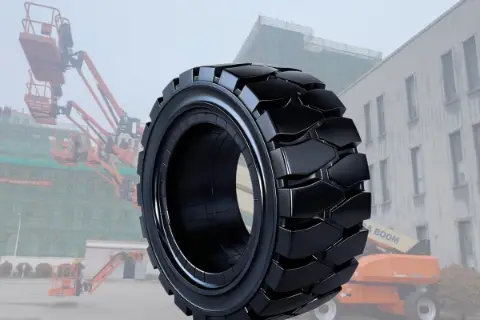
The PU Foam Filled Tire represents a revolutionary breakthrough for demanding sectors like logistics, construction, and heavy industry, where a single flat tire can trigger costly operational standstills and disrupt tight production schedules. This advanced technology masterfully combines the superior ride quality and traction of pneumatic tires with the legendary durability and puncture resistance of solid tires, creating a hybrid solution that guarantees maximum equipment uptime and productivity.
Core Technology Explained
A PU Foam Filled Tire starts its life as a conventional, high-quality pneumatic tire. The transformation occurs when its entire air-filled cavity is injected with a special liquid polyurethane compound. This liquid then undergoes a precise curing process, solidifying into a dense, solid, yet resilient polyurethane elastomer. The result is a revolutionary flat-proof tyre that perfectly maintains the external shape, flexibility, and excellent grip of its pneumatic origin while gaining absolute immunity to punctures from nails, glass, sharp rocks, and metal shards, creating a permanent, maintenance-free solution.
Why It Outperforms Traditional Tire Types
The superiority of Polyurethane Foam Filled Tires becomes undeniable when directly compared to conventional alternatives. They successfully resolve the age-old compromise between performance and protection. While standard pneumatic tires offer a great ride but high failure risk, and solid tires provide puncture immunity at the cost of a harsh ride, PU foam filled tires deliver the best of both worlds: zero puncture risk, good ride comfort, and excellent traction, making them a vastly more versatile and cost-effective solution for demanding operational environments.
Versatility in Harsh Environments
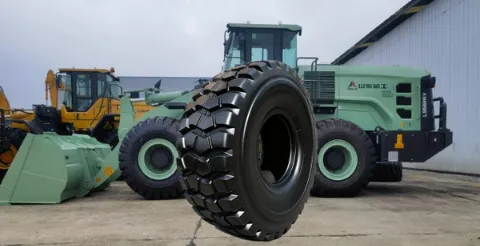
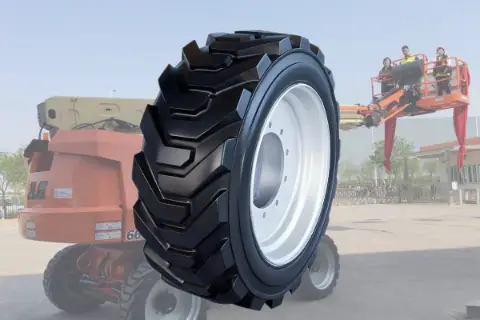
These innovative tires deliver maximum return on investment in the world’s most challenging settings. Their unique construction makes them indispensable for construction sites littered with rebar and rubble, busy ports and container terminals handling heavy loads in all weather conditions, abrasive mining and quarrying operations, and unforgiving scrap and recycling yards. In these environments, sharp debris is inevitable, and reliable puncture-proof mobility is non-negotiable for maintaining workflow efficiency and protecting profitability.
Making an Informed Choice: A Detailed Comparison
To make the best decision for your fleet, a clear understanding of the available technologies is crucial. The comprehensive table below provides an at-a-glance comparison of the three main industrial tire types, highlighting the distinct advantages that PU foam filled tires bring to the table in key performance categories.
| Feature | PU Foam Filled Tire | Standard Pneumatic | Solid Rubber Tire |
| Puncture Risk | Zero (Flat-Proof) | High (Constant Threat) | Zero (Immune) |
| Ride Comfort | Good (Resilient Cushion) | Excellent (Air Suspension) | Poor (High Vibration) |
| Traction/Grip | Excellent (Pneumatic Tread) | Excellent (Pneumatic Tread) | Fair to Good |
| Long-Term Downtime | Very Low | High (Unscheduled Repairs) | None |
Enhancing Safety and Operator Well-being
A critical yet often overlooked advantage is the significant improvement in operator comfort and safety. Unlike traditional solid tires, which transmit jarring impacts and cause harmful Whole-Body Vibration (WBV), PU foam filled tires feature a resilient internal cushion. This design dramatically reduces shock and vibration, leading to less operator fatigue, a lower risk of musculoskeletal disorders, and a safer, more alert, and ultimately more productive workforce.
Considering Long-Term Value and Operational Limits
While the initial purchase price of a PU Foam Filled Tire is higher than a standard pneumatic, the long-term total cost of ownership is often substantially lower. This is due to the complete elimination of flat-related repair costs, tire replacement expenses, and, most importantly, costly unscheduled downtime. However, for applications involving continuous, high-speed travel, it is crucial to consult a specialist, as heat buildup may need to be managed.
Conclusion: A Strategic Investment for Uninterrupted Operations
In conclusion, the PU Foam Filled Tire stands as the definitive solution for businesses determined to eliminate puncture-related downtime and its associated costs. By seamlessly merging the most desirable features of pneumatic and solid tire technologies, it delivers unparalleled operational continuity, enhanced workplace safety, and a demonstrably lower total cost of ownership. For any operation where reliability and productivity are paramount, switching to this advanced flat-proof technology is a strategic investment in building a more resilient and profitable future.