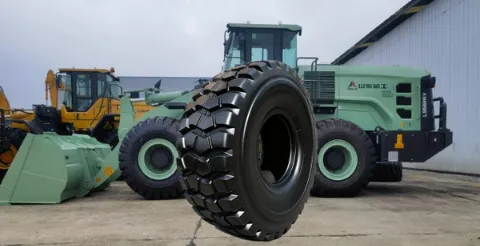
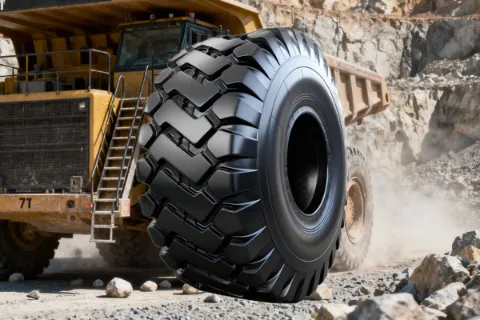
Quarry Tires face loose stones, steep ramps, and sharp edges every day, so the tread design must work with the ground rather than fight against it. A block pattern is one of the most trusted designs for these tough sites because it helps machines keep stable movement across broken rock.
Why Loose Rock Surfaces Reduce Grip
Loose stones shift under pressure. When a tire steps on them, the stones slide away instead of supporting the load. This movement cuts down traction. The machine may lose speed, slip while climbing, or struggle with braking. Soft soil behaves differently, but rock piles react quickly and give little warning. A quarry tire must create grip by controlling the stones, not sinking into them.
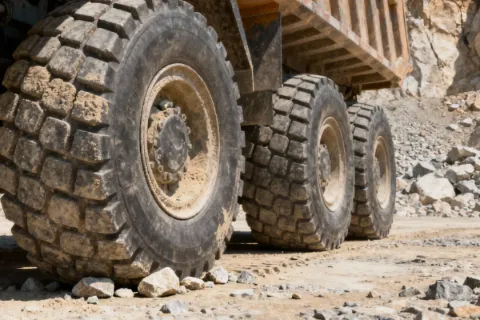
How Block Pattern Treads Improve Grip
- Larger Contact Points Help the Tire Push Forward
Each block presses into the stones with a clear edge. The tire does not depend on deep sinking. It uses the edges of the blocks to catch and hold the surface. This helps the machine start moving without slip.
- Gaps Between Blocks Let Stones Settle and Lock In
Stones fall into the gaps. When the stones fill these spaces, they create a firmer base under the tread. This “stone lock” effect reduces sliding. It feels similar to stepping on uneven steps instead of loose gravel.
- Block Edges Improve Side Grip on Slopes
Quarry trucks climb and turn on steep ramps. A block tread gives many sharp edges that bite into the ground from the side. This lowers side-slip and helps operators keep control during slow turns with heavy loads.
- Shorter Braking Distance on Hard but Loose Surfaces
When the operator slows down, the blocks spread the pressure. Stones under the tread move less. The tire stops more quickly and with less shaking. This improves safety, especially when the truck carries a full load.
- Stronger Tread Base Reduces Movement Under Load
A block tread usually sits on a thick and firm base layer. This layer keeps the blocks steady when the tire carries heavy weight. Less movement means the blocks hold their shape and keep contact with the stones.
Durability Features That Support Longer Tire Life
Stone-Resistant Rubber Mix
Quarry work demands rubber that resists cutting. A firm rubber blend stops sharp stones from digging in. This slows down chunking and helps the tire stay in service longer.
Deeper Tread for More Wear Hours
A block pattern often has a deeper tread. More depth gives more time before the blocks wear down. As the tread wears, the blocks still hold their shape and edge.
Reinforced Sidewalls Against Cuts and Impact
Sidewalls take a lot of hits from fallen stones. A strong sidewall prevents early failure and keeps the casing safe for retreading.
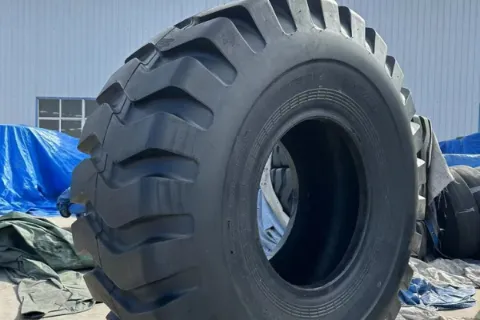
How These Tires Improve Daily Quarry Work
Better Climbing Power
Heavy trucks need grip to climb stone ramps. Block treads give stable steps that support the load.
More Control on Wet Rock
Water on rock makes stones slippery. The block edges still catch the surface, giving better control than smooth patterns.
Reduced Tire Spin Saves Fuel
Less spin means less wasted fuel. Machines run smoother and use power more efficiently.
Conclusion
Block pattern Quarry Tires help machines keep stable movement on loose rock by using edges, gaps, and firm tread support to control the stones. They improve start-off traction, braking safety, and climbing power. With strong rubber and deep tread, they also give more working hours and fewer unexpected stops.
For readers who want to understand tire options for large quarry trucks, see the related article: Rigid Dump Truck Tires Built for Harsh Mining Roads
FAQ
- Are block pattern quarry tires suitable for both loaded and empty cycles?
Yes. Their grip remains steady because the blocks depend on edges and gaps, not deep sinking. This works with or without heavy load.
- Do block pattern treads help reduce stone cuts?
They help indirectly. Better control means less tire spin, which reduces grinding on sharp stones. Combined with a cut-resistant rubber mix, the tire lasts longer.
- Can block pattern quarry tires be retreaded?
Many can. The strong base design and protected sidewalls often keep the casing in good shape, making retreading possible.