The year 2025 marks an important shift for the China electric wheel loader market. In earlier years, demand was mainly driven by government policy and subsidies. Today, the story is different. Buyers are choosing electric wheel loaders because they make sense in daily operations – not just on paper.
Lower battery prices, especially for lithium iron phosphate batteries, have reduced machine costs significantly. At the same time, China’s large-scale equipment renewal policy is now fully active. Together, these factors have helped electric wheel loaders move out of the “trial product” stage and into real, heavy-duty use. Steel plants, ports, coal yards, and aggregates sites are no longer asking if electric loaders work – they are asking how many they should buy.
Market Growth: Electric Is No Longer the Minority
Sales growth in 2025 has been strong and steady. Total electric wheel loader sales in China are expected to pass 32,000 units, more than double the volume of 2024. Penetration has increased just as fast. In April, electric models reached 25% of monthly sales for the first time. By year-end, penetration in heavy-duty applications is close to 50%.
In simple terms, electric wheel loaders are no longer a niche option. In many work sites, they are becoming the normal choice – and diesel machines are starting to look like the alternative.
Competitive Landscape: Clear Leaders, Clear Positions
The market in 2025 is highly concentrated. The top five brands account for more than 80% of total sales, each with a clear strategy.
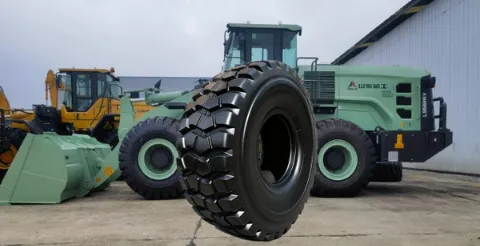
LiuGong remains the market leader, supported by early electric development and a strong service network. Its electric loaders are widely trusted in steel mills and tunnel projects, where downtime is expensive and service speed matters.
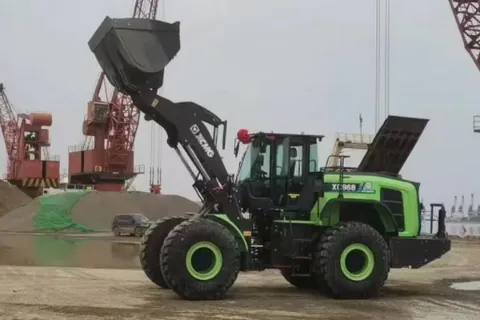
XCMG has taken a different route by focusing on battery swapping. By working with major energy companies, it promotes vehicle–battery separation models in ports and mining areas. This approach helps customers avoid long charging stops and reduces concerns about battery aging.
SANY stands out for its in-house development of key electric systems. This allows better cost control and faster upgrades. Its electric loaders also offer useful smart functions such as automatic weighing and remote monitoring.
SDLG focuses on mid-range and logistics applications, offering easy operation and lower purchase costs. Brands like Shantui and newer players such as Boleton compete through specialized solutions, including large-tonnage machines and cold-climate operation.
Technology Progress: Faster Charging, Longer Working Time
Technology improvements in 2025 have solved many real-world concerns. Most new electric wheel loaders now use 800V high-voltage systems. Compared with older 400V designs, charging speed is much faster. With fast charging, many machines can reach 80% battery level in about 45 minutes.
Battery capacity has also increased. Standard battery size has grown from around 350 kWh to more than 420 kWh, allowing over eight hours of heavy-duty work on one charge. This makes “one shift per charge” realistic, not just a sales promise.
Total Cost of Ownership: Where Electric Really Wins
From a cost point of view, electric wheel loaders now show a clear advantage. A typical 5-ton diesel loader consumes about 12–15 liters of fuel per hour. An electric loader uses around 35–45 kWh of electricity. The hourly energy cost difference is hard to ignore.
Maintenance costs are also lower. Electric machines do not need engine oil, filters, or many mechanical parts. Although the purchase price is still higher, most users recover the price difference within 1.5 to 2 years. After that, the savings are very real – and very welcome.
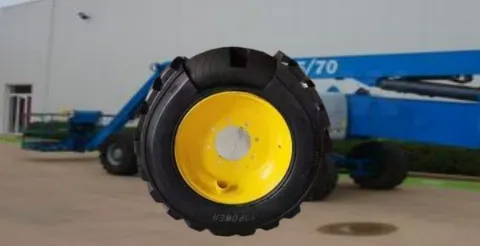
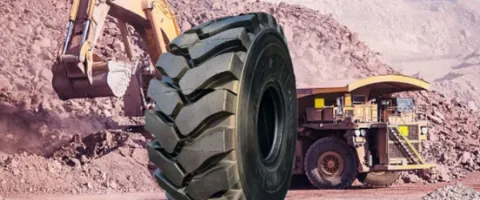
While electric wheel loaders reduce many traditional maintenance tasks, basic tire care and replacement are still part of daily operation – especially in heavy-duty working environments.
For fleet managers and operators who want a clearer understanding of on-site maintenance, our detailed guide on how to change a loader tire explains a practical, step-by-step overview of the process and key safety points to keep in mind.
Looking Ahead to 2026
Three trends are worth watching. First, exports to Southeast Asia and Europe are growing quickly. Second, smart and semi-automatic functions will become more common. Third, standards for battery value and second-hand electric loaders are expected, helping the market grow in a more stable way.
For the China electric wheel loader market, the direction is clear. Electric is no longer the future – it is already on the job site, doing the work.