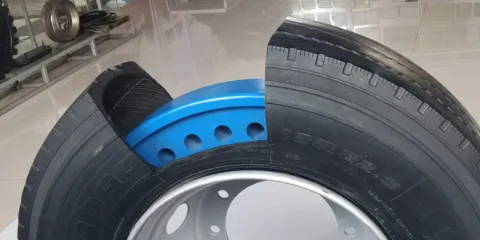
The technology of polymer run flat inserts is changing the way fleets think about tire safety and performance. For commercial trucks, defense vehicles, and high-speed transport, keeping tires protected under extreme stress is critical. Traditional tires often fail when punctured, causing dangerous blowouts and costly downtime. By using advanced polymer materials, run-flat inserts provide reliable backup support, improve high-speed stability, and increase load capacity, making them a powerful solution for modern fleet operations.
What Is a Polymer Run Flat Insert?
A run flat insert is a strong, non pneumatic ring placed inside a standard tire. When the tire loses air, the insert immediately supports the vehicle’s weight. This means the vehicle can continue driving at reduced speed until it reaches a safe location or repair facility.
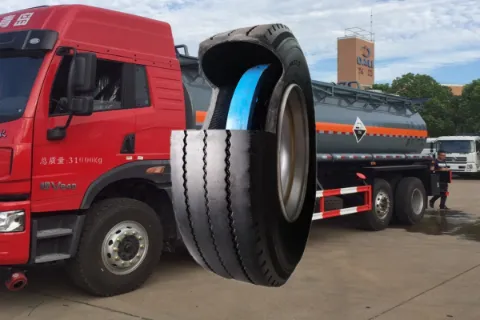
Key idea: Instead of relying only on air pressure, the polymer insert acts as a backup support system.
Material Science Behind the Insert
The strength of this technology comes from its materials and manufacturing process:
- Durable Polymer Materials: Tough, elastic, and able to absorb energy without breaking.
- Injection Molding: Creates precise shapes that fit perfectly inside the tire cavity.
- Casting: Produces dense, solid structures for heavyduty applications.
Together, these methods create a reliable insert that resists deformation and maintains its form under extreme stress.
Core Benefits for Fleet Vehicles
- High Strength and Impact Resistance
Polymer inserts can handle heavy compressive forces without cracking. They also resist damage from sudden impacts, potholes, or debris. This makes them ideal for military vehicles, construction fleets, and trucks that often face rough terrain.
- Preventing Tire Deformation
One of the biggest risks in conventional tires is deformation at high speeds or under heavy loads. Deformation causes heat buildup, which can lead to blowouts. The rigid polymer insert keeps the tire shape stable, reducing heat and extending tire life.
- Consistent Tire Geometry
By resisting excessive flexing, the insert ensures the tire footprint stays stable. This improves handling, reduces vibration, and keeps vehicles balanced even when fully loaded.
- Immediate Support After Deflation
If a tire punctures, the insert instantly takes over the load. Drivers can continue safely at reduced speed, avoiding dangerous roadside stops.
- Longer Component Life
Because the insert prevents extreme stress on sidewalls and rims, both the tire casing and wheel assembly last longer. This reduces maintenance costs for fleet managers.
Safety and Operational Impact
Enhanced Safety on Highways
Unexpected punctures on highways are dangerous. With run flat inserts, vehicles can keep moving until they reach a service area. This reduces risks for drivers and passengers, making them a smart choice for fleets that prioritize safety.
Stability Under Heavy Loads
Unlike normal tires that rely on air pressure, polymer inserts provide true load‑bearing capacity. This means trucks, buses, and defense vehicles can carry heavier loads without worrying about pressure failure. At high speeds, the insert keeps the tire stable, reducing the chance of accidents.
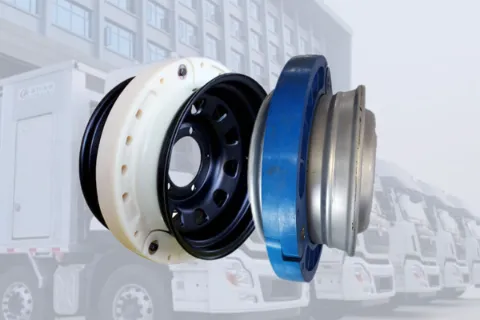
Why Fleet Managers Should Care
For fleet operators, downtime and accidents are costly. Polymer run flat inserts offer:
- Safer operations under extreme conditions
- Reduced risk of roadside emergencies
- Longer tire and wheel life
- Better performance at high speeds and heavy loads
This makes them a valuable investment for industries where reliability and safety are non negotiable.
Conclusion
Polymer Run Flat Inserts are more than just a backup system. They transform ordinary tires into high performance safety components. By combining advanced materials with smart engineering, they deliver consistent load support, impact resistance, and stability. For fleets that demand reliability under pressure, this technology could be a game changer.
Related Reading
If you are exploring tire options for heavy equipment, check out our guide: Choosing between solid tires and foam filled tires for boom lifts and loaders. It explains how different tire technologies compare for construction and industrial use.